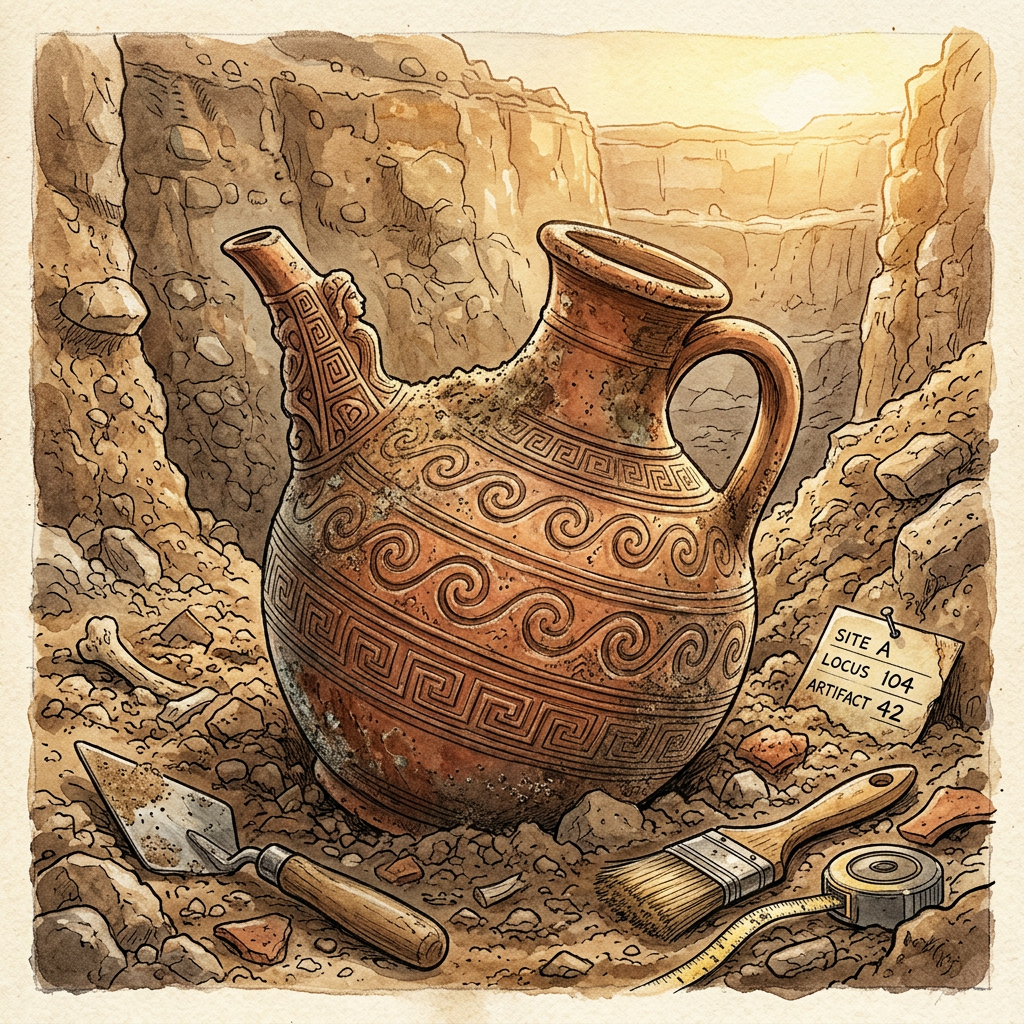
Archaeologists excavating a site near Nakhon Pathom have unearthed a collection of 7th-century terracotta vessels specifically designed for ritual water distribution. These Dvaravati-era artifacts feature intricate spouts and decorative motifs depicting aquatic spirits, suggesting that the tradition of ceremonial water pouring—central to the modern Songkran festival—has roots extending back over 1,300 years, predating the widespread adoption of Theravada Buddhism in the region.
The excavation team from the Fine Arts Department noted that the vessels were found in a specialized courtyard adjacent to a communal well, indicating a public, organized festival setting. Chemical analysis of the residue inside the jars revealed traces of ancient floral perfumes made from jasmine and sandalwood, mirroring the Nam Op scented water still used in traditional Thai New Year celebrations today.