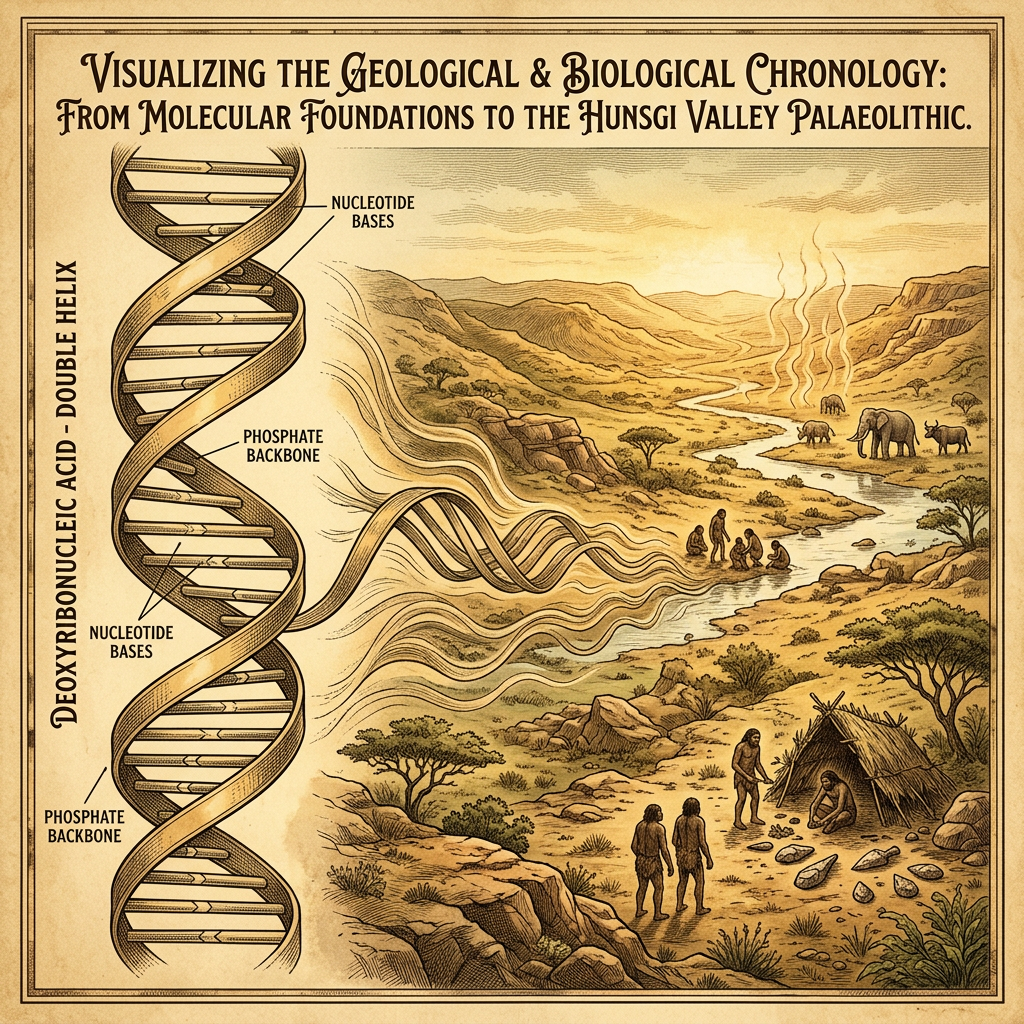
In a landmark paper appearing in Cell Genomics, an international team of paleogeneticists has sequenced the genomes of three individuals from the Hunsgi Valley in Karnataka, dating to approximately 7,000 BCE. The study reveals a unique set of genetic variants in the SLC24A5 and TRPV1 genes, which are associated with skin pigmentation and thermal regulation. These represent the earliest known biological adaptations to the humid, high-temperature environment of the Indian peninsula.
The findings indicate that these Mesolithic hunter-gatherers belonged to a distinct "ghost lineage" that had remained isolated for several millennia, developing specialized metabolic pathways to manage heat stress and resist endemic tropical pathogens. This genetic signature predates the arrival of later agricultural populations, providing a rare window into the deep evolutionary history of the first inhabitants of the Deccan Plateau.