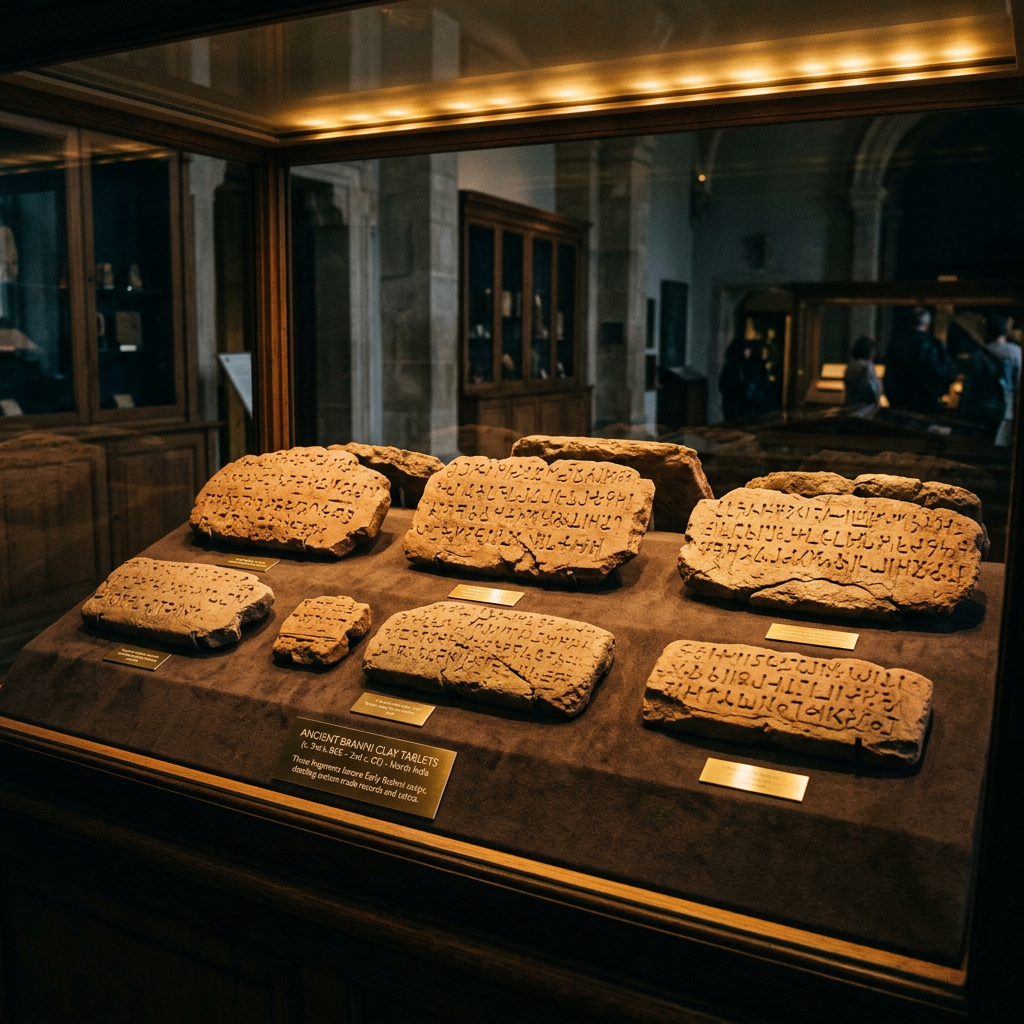
Excavations at an ancient settlement site in Haryana have yielded a collection of inscribed clay tablets dating back to the 4th Century BCE. These tablets contain fragments of a 'Niti-Sastra' (treatise on ethics) that predates the famous Arthashastra. The inscriptions focus on the concept of Vishvasa (social trust) as the primary engine of economic stability and community welfare.
Unlike later texts that focus on statecraft and punishment, these fragments emphasize the 'internalized dharma' of the citizen. The text suggests that the strength of a civilization lies in the transparency of its social contracts and the ethical consistency of its merchants, offering a rare glimpse into the civic philosophy of the pre-imperial Gangetic plains.