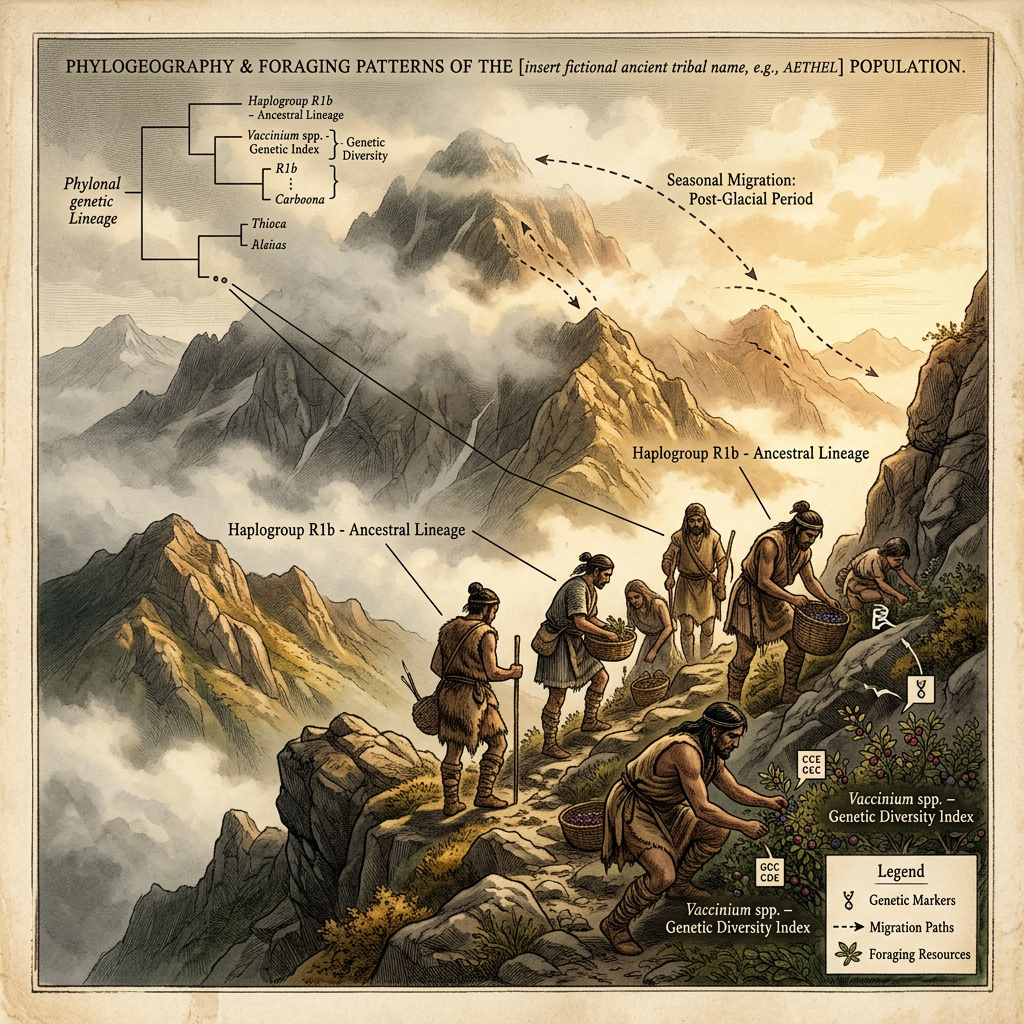
In a paper published in Genomics Today, scientists have identified a unique genetic adaptation in 8,000-year-old remains from the Nilgiri Highlands of Southern India. The study found specific variations in the CYP2 gene family, which are responsible for the metabolic processing of high-tannin plant materials. This is the first evidence of a localized genetic evolution driven by a diet centered on wild highland tubers and forest produce.
The research provides a fascinating look at anthropological evolution within the Indian peninsula, showing how isolated populations developed biological resistance to secondary plant metabolites. These findings help trace the long-term dietary stability of the Nilgiri tribes and their deep ancestral connection to the highland ecosystem before the advent of organized agriculture.