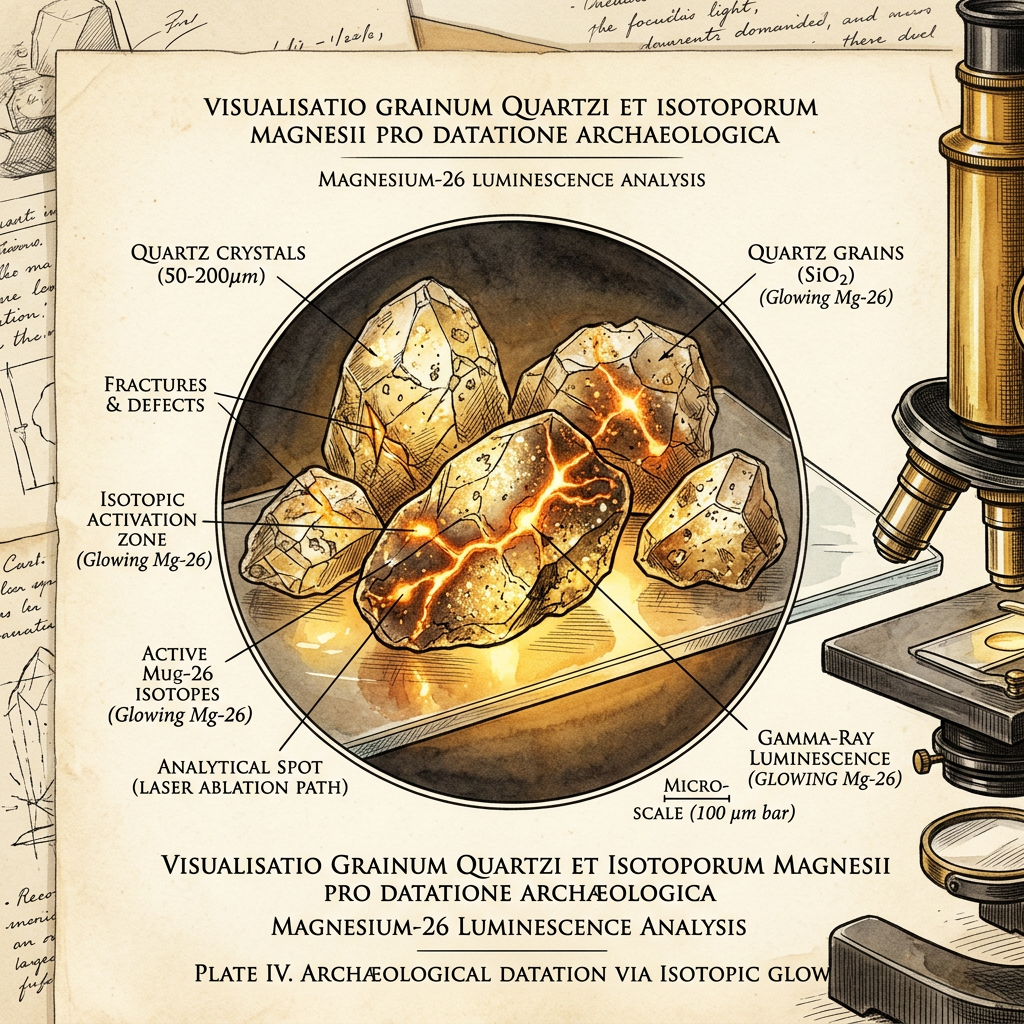
Research published in the Journal of Archaeological Science introduces a novel dating methodology using Cosmogenic Magnesium-26 to analyze quartz sediments in the Belan Valley of Uttar Pradesh. The results push back the established timeline for Middle Paleolithic technology in the region, suggesting that hominin populations were thriving in the area as early as 95,000 years ago, coinciding with a period of stable monsoon cycles.
This new methodology offers a higher degree of precision than traditional luminescence dating by measuring the accumulation of magnesium isotopes triggered by cosmic rays in buried stone tools. The data provides a more robust framework for understanding early human resilience during the Pleistocene and challenges previous models of late-surviving archaic hominins in the Indian subcontinent.