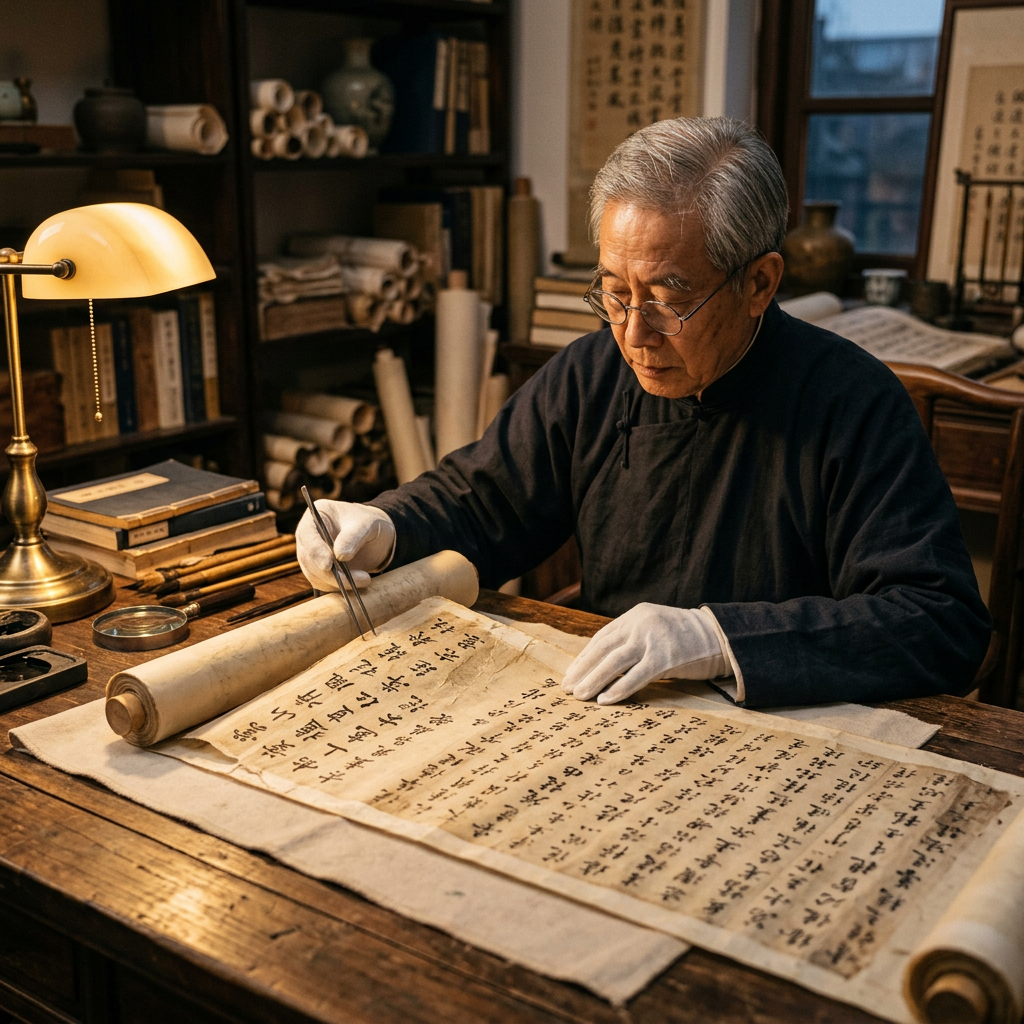
In a major development for the history of medicine, Chinese archaeologists have excavated a tomb in Sichuan Province belonging to a Royal Midwife from the Western Han Dynasty. The burial site contained a unique set of medical artifacts, including polished bone forceps and bronze acupuncture needles. However, the most significant find is a collection of partially carbonized silk scrolls detailing ancient obstetrical techniques and herbal treatments for neonatal care.
These texts, which are currently being analyzed by AI-enhanced imaging, represent the earliest known specialized midwife manual in China. They describe fetal positioning techniques and the use of ginger and honey-based tonics for recovering mothers. The discovery underscores the status of medical professionals in the Han court and provides a rare glimpse into the health and wellness practices of women and infants in the second century BCE.