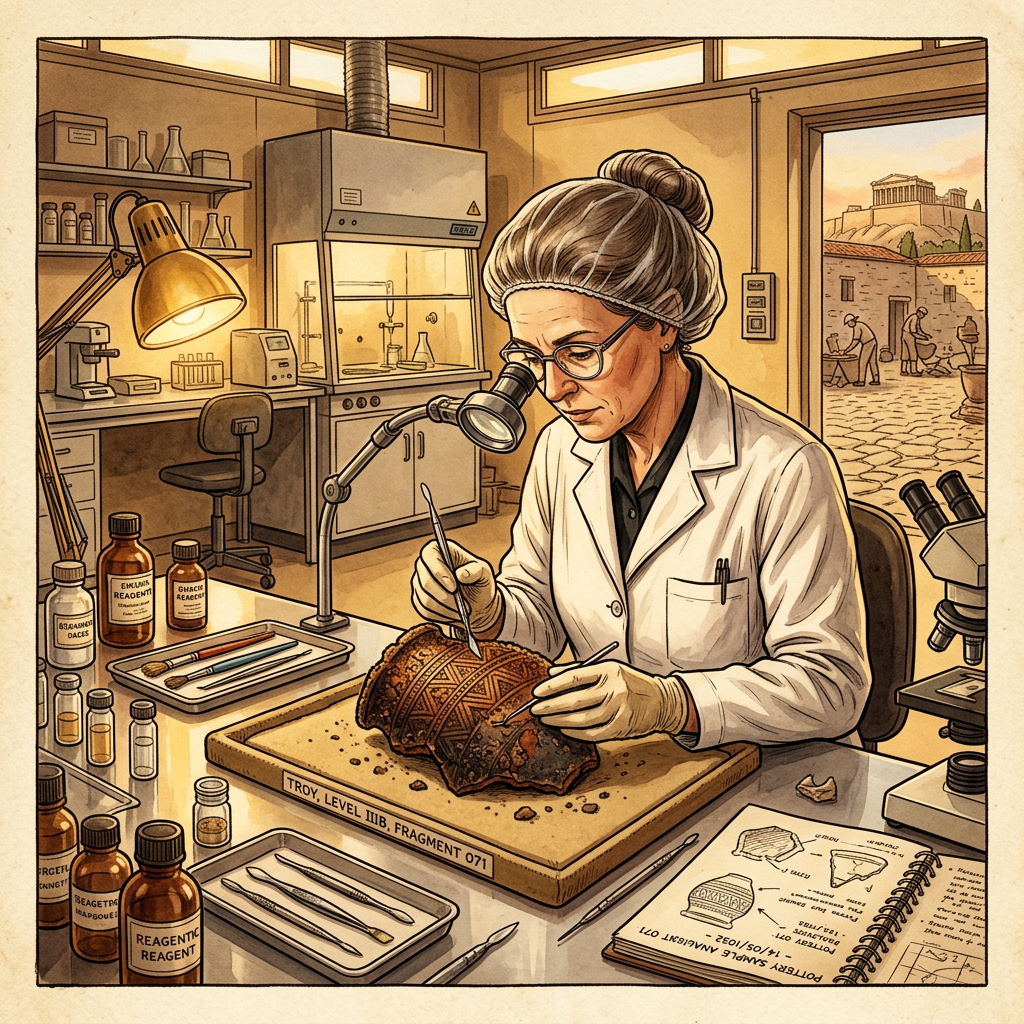
Researchers using a new 'Ultra-Deep Sequencing' DNA technique have analyzed microscopic residues on 6,000-year-old pottery fragments to map the spread of fermented beverages across Neolithic Europe. The study identifies specific strains of yeast and botanical additives, revealing a complex network of "liquid hospitality" that helped cement social and political alliances between disparate farming communities.
By tracing the genetic lineage of these ingredients, the team discovered that specialized brewing knowledge was traded along the same routes as flint and obsidian. This suggests that the rise of agriculture was closely linked to a "brewing revolution," where the production of ceremonial drinks played a central role in the development of early European social hierarchies and festive culture.