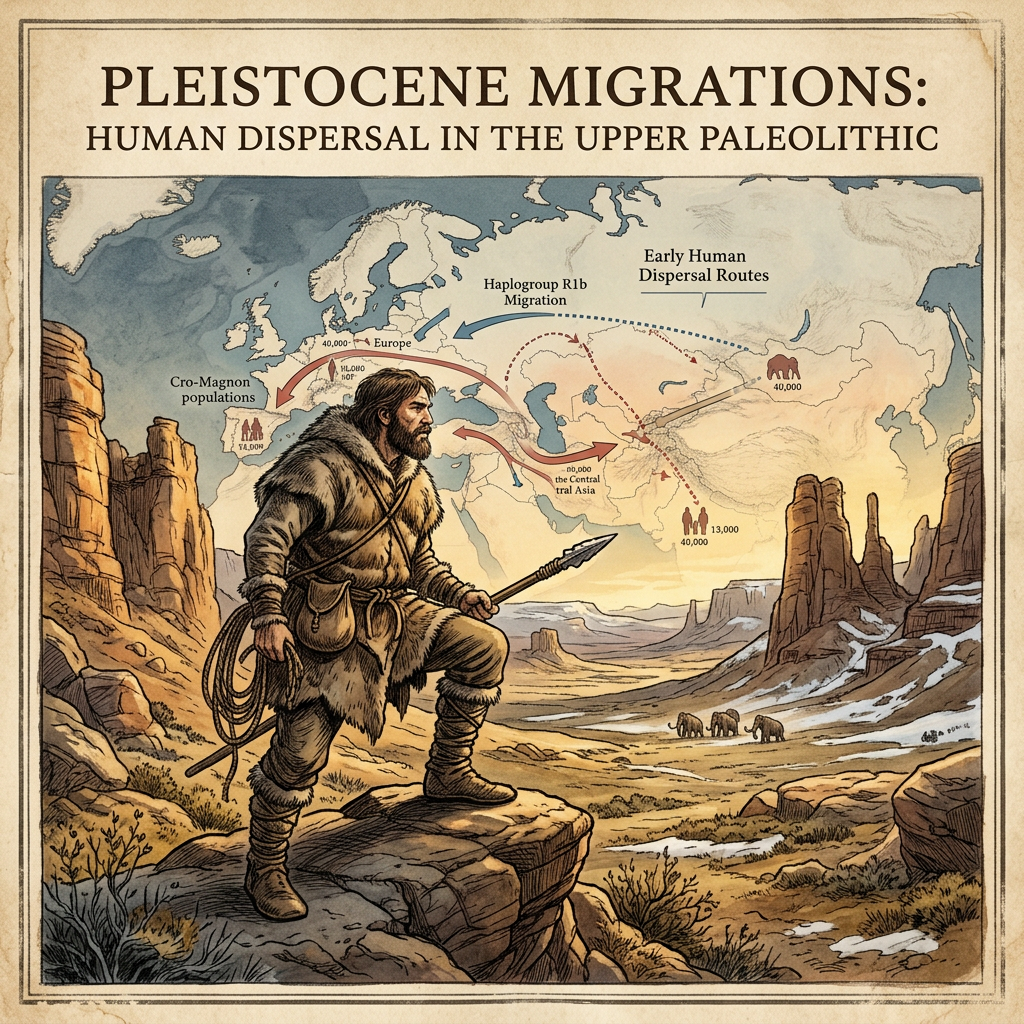
A groundbreaking paper in Molecular Biology and Evolution provides the first high-coverage genome of a Pleistocene-era hunter-gatherer from the Chota Nagpur Plateau. The research identifies a 'ghost lineage' that diverged from the ancestors of modern South Asians over 30,000 years ago, offering new insights into the population structure of the Indian peninsula during the Last Glacial Maximum. This lineage appears to have contributed significantly to the genetic makeup of modern Munda-speaking populations.
The study also identified specific genetic markers associated with metabolic resilience to high-tannin diets, suggesting that early inhabitants had mastered the processing of forest seeds and acorns long before the advent of agriculture. This discovery reshapes the understanding of human migration and survival strategies in the tropical interiors of ancient India.