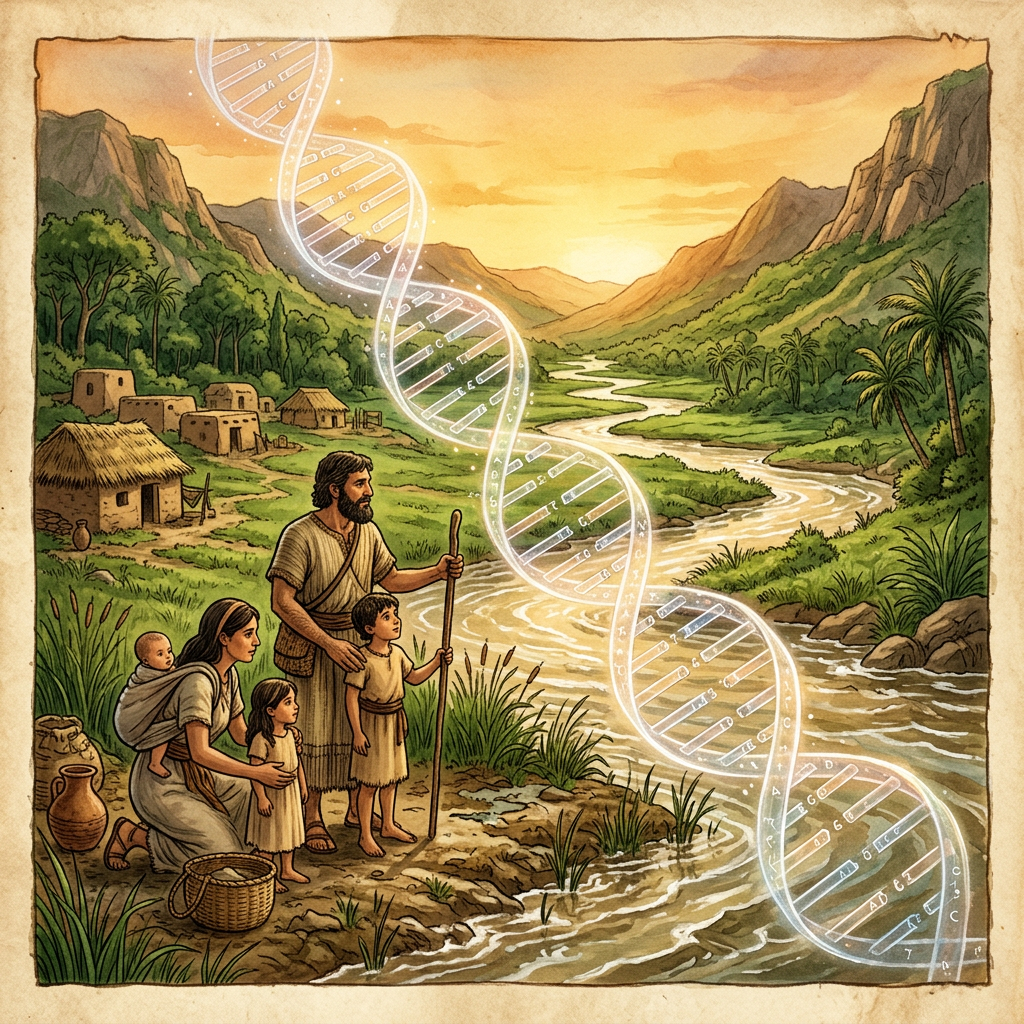
A breakthrough study published in Nature Genetics Today has mapped the genome of 6,000-year-old human remains found in the Upper Ganges basin. Researchers have identified a unique suite of genetic adaptations that appear to have provided early agriculturalists with resistance against waterborne pathogens. This genetic resilience is directly correlated to the intensification of the monsoon cycles in the region during the middle Holocene, which led to frequent seasonal flooding and increased pathogen loads in the riverine environment.
The findings, led by a joint team from the Centre for Cellular and Molecular Biology (CCMB) and Harvard Medical School, suggest that these ancient populations underwent a rapid evolutionary response to the shifting climate. The study also confirms that this specific genetic signature persists in several contemporary populations in the Indo-Gangetic plain, providing a rare link between prehistoric survival strategies and modern public health profiles. This research represents the first time that a direct evolutionary link has been established between paleo-monsoon intensity and the selection of immune-system genes in the Indian subcontinent.