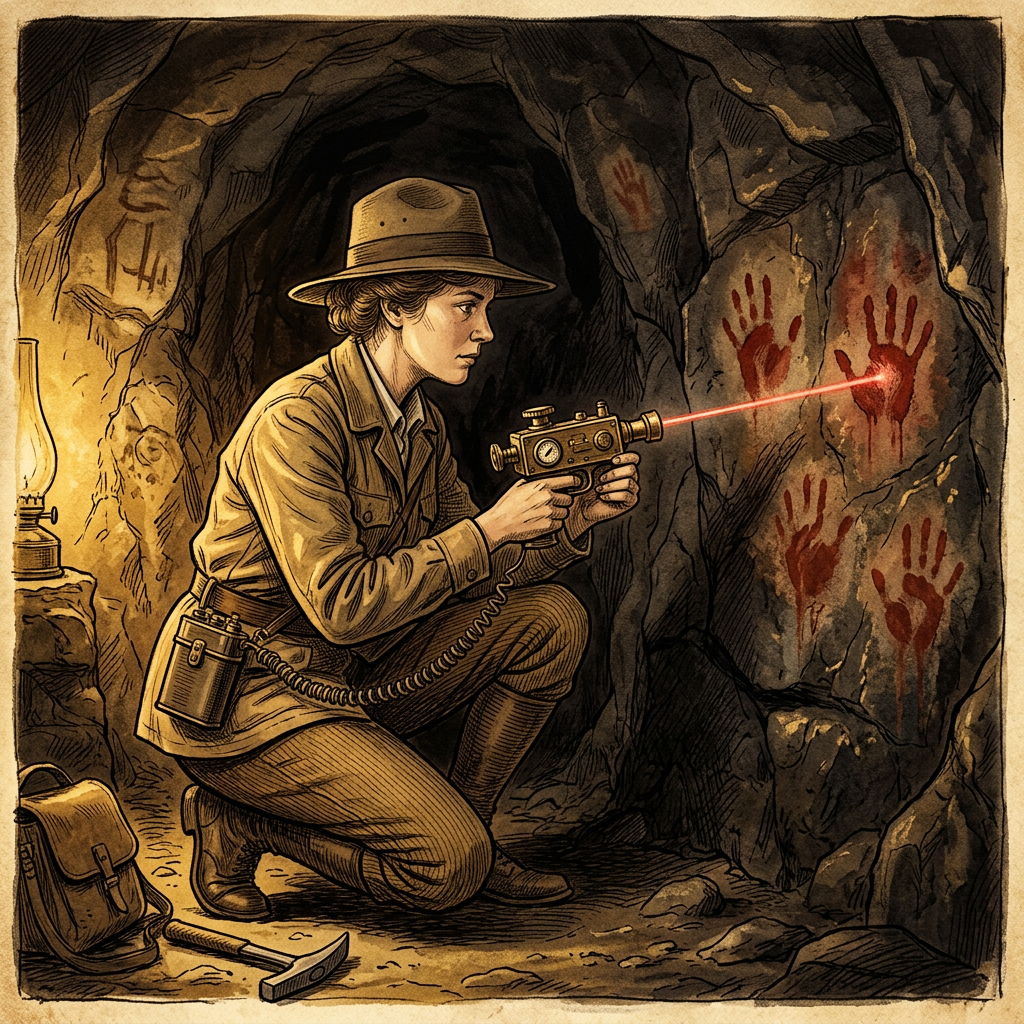
Research published in the Journal of Archaeological Science has introduced a revolutionary dating technique using Cosmogenic Neon-21 exposure to analyze the mineral crusts covering prehistoric rock art in the Cantabrian Mountains of Spain. The methodology provides a significantly more accurate timeline than traditional radiocarbon dating, pushing the age of the oldest hand-stencil motifs back to approximately 38,000 years ago.
This refined chronology places the creation of these artworks squarely within the era of early modern human arrival in Europe, suggesting a much earlier emergence of symbolic expression and artistic traditions. The technological breakthrough allows researchers to date the surface exposure of the rock face itself, bypassing the limitations of organic material degradation in damp cave environments.