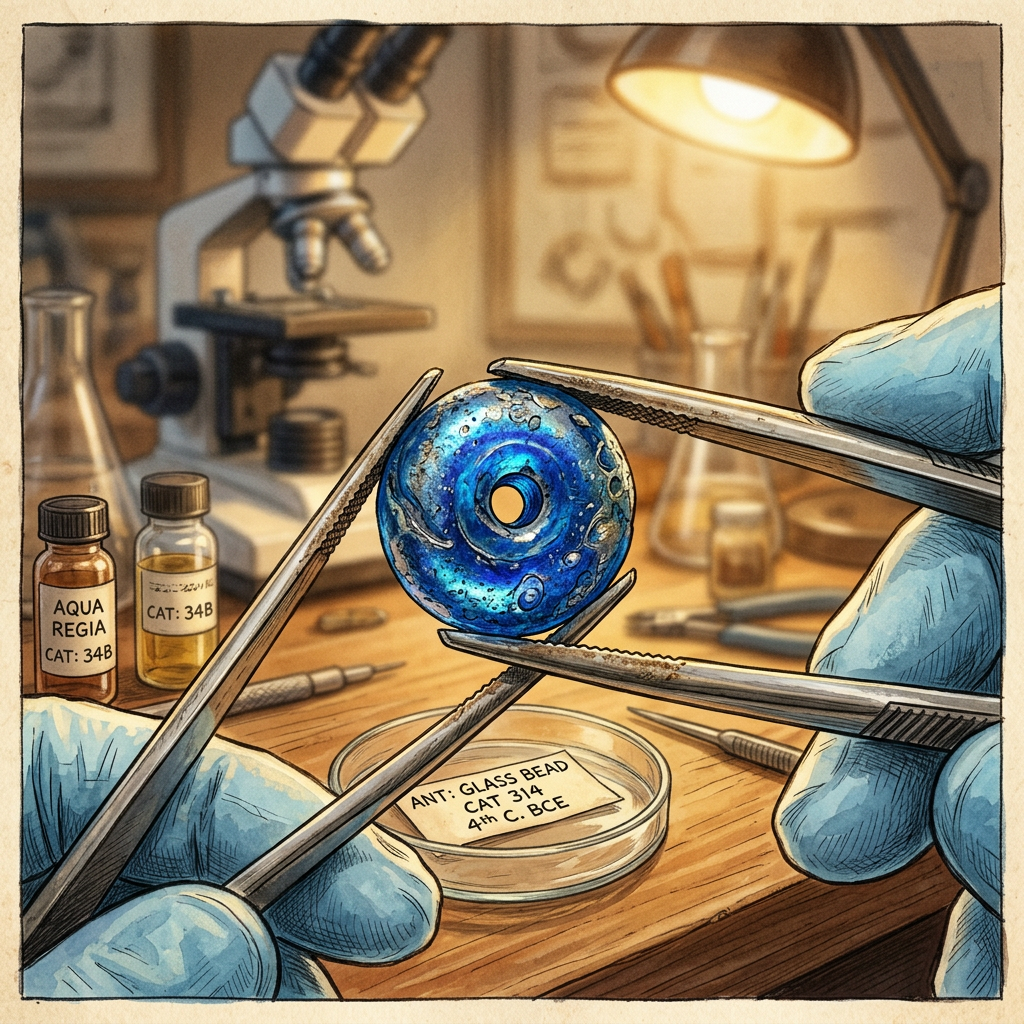
Geochemists have pioneered a novel dating technique using lithium-isotope fractionation to pinpoint the origin and age of ancient glassware found in Phoenician shipwrecks. Published in Quaternary Geochronology, the study demonstrates that the isotopic signature of lithium in glass remains stable over millennia, allowing for a precise mapping of the sand sources used in the Levant.
This new methodology has pushed back the established timeline of high-quality Phoenician glass exports to 1100 BCE, nearly 150 years earlier than previous carbon-dating of organic cargo had suggested. The breakthrough provides a more reliable 'chemical clock' for artifacts that lack associated organic material, solving long-standing debates regarding the rapid expansion of Iron Age maritime trade networks.