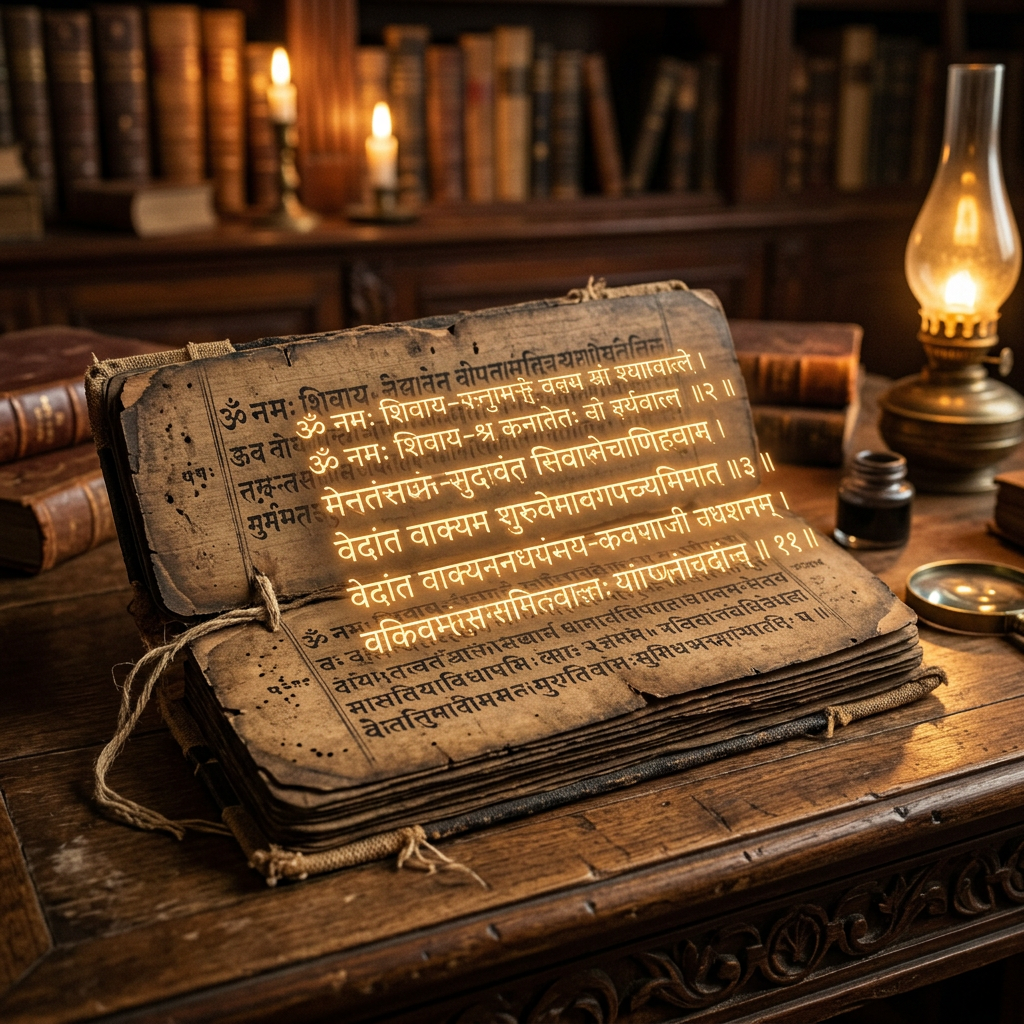
Researchers at the Indian Institute of Heritage Science have used multi-spectral imaging and deep-learning algorithms to recover text from heavily damaged 6th-century palimpsests found in the Western Ghats. The deciphered fragments contain a lost treatise on geobotany, detailing how specific floral patterns and soil discoloration were used to identify subterranean copper and gold deposits in ancient India.
The manuscript, written in a rare Prakrit-Sanskrit hybrid script, outlines a systematic classification of over 50 plant species that act as hyperaccumulators for metallic ions. This discovery provides the first concrete evidence of a formalized scientific discipline in the first millennium CE that combined botanical observation with early mineralogy to facilitate large-scale mining operations without invasive digging.