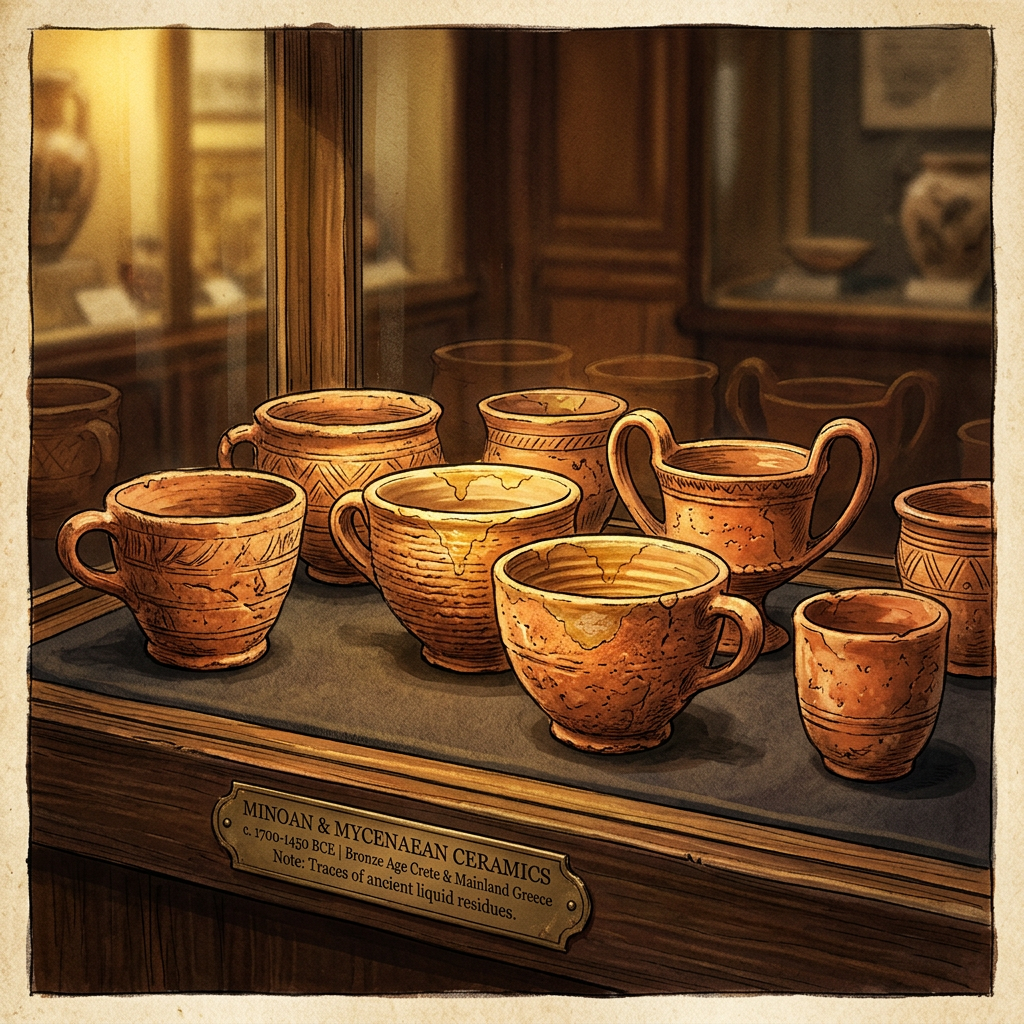
Chemical analysis of pottery fragments found at an Iron Age site in Kerala has revealed traces of sandalwood resin, turmeric, and local grain oils, providing the earliest physical evidence for ritualized spring offerings in the region. These votive cups, found in a ceremonial layer dating to approximately 100 BCE, suggest that the foundational elements of the Vishu festival—the traditional harvest and New Year celebration—have been practiced for over two millennia.
Researchers state that the specific combination of aromatic substances matches descriptions in ancient Sangam literature of 'Kanis' or ritual displays. This discovery bridges the gap between literary records and archaeological reality, confirming that ancient South Indian agrarian communities held sophisticated festivals centered around prosperity and the aromatic blessing of the household.