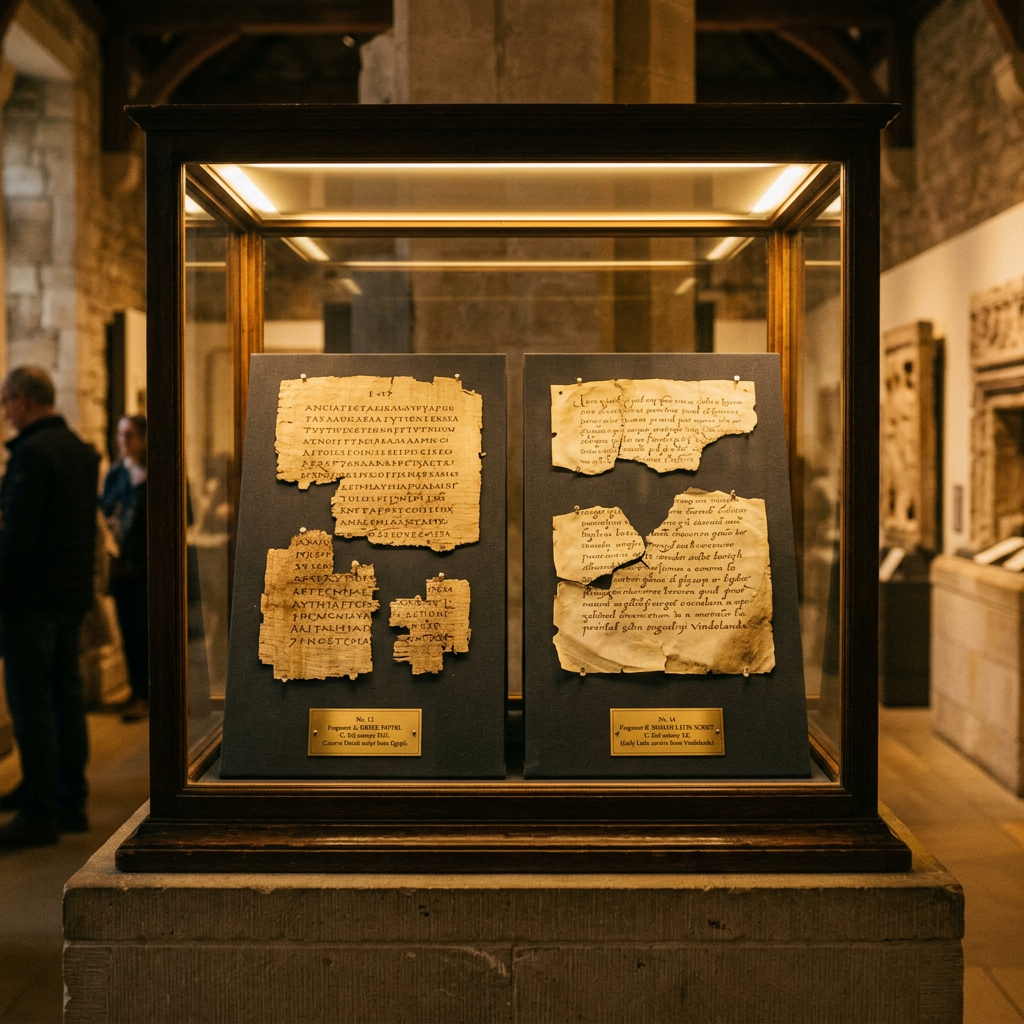
Excavations along the Silk Road near the city of Termez have uncovered 6th-century fragments of a text titled the Jignasa-Sutra. Written in a hybrid Sanskrit-Sogdian script, the text details the ethics of inquiry (Jignasa), establishing rules for honest intellectual debate and the duty of the seeker to question authority. It represents a rare instance of a 'manual for questioning' that was used by traveling scholars in Central Asia.
The fragments emphasize the virtue of intellectual courage, defining the 'highest sin' as the suppression of a valid doubt. This discovery highlights the role of Central Asian trade routes as corridors not just for goods, but for a radical philosophy of open-ended investigation. International scholars suggest the Jignasa-Sutra may have provided a common ethical ground for the diverse religious communities—Vedic, Buddhist, and Manichaean—that lived and studied together in the region's ancient universities.