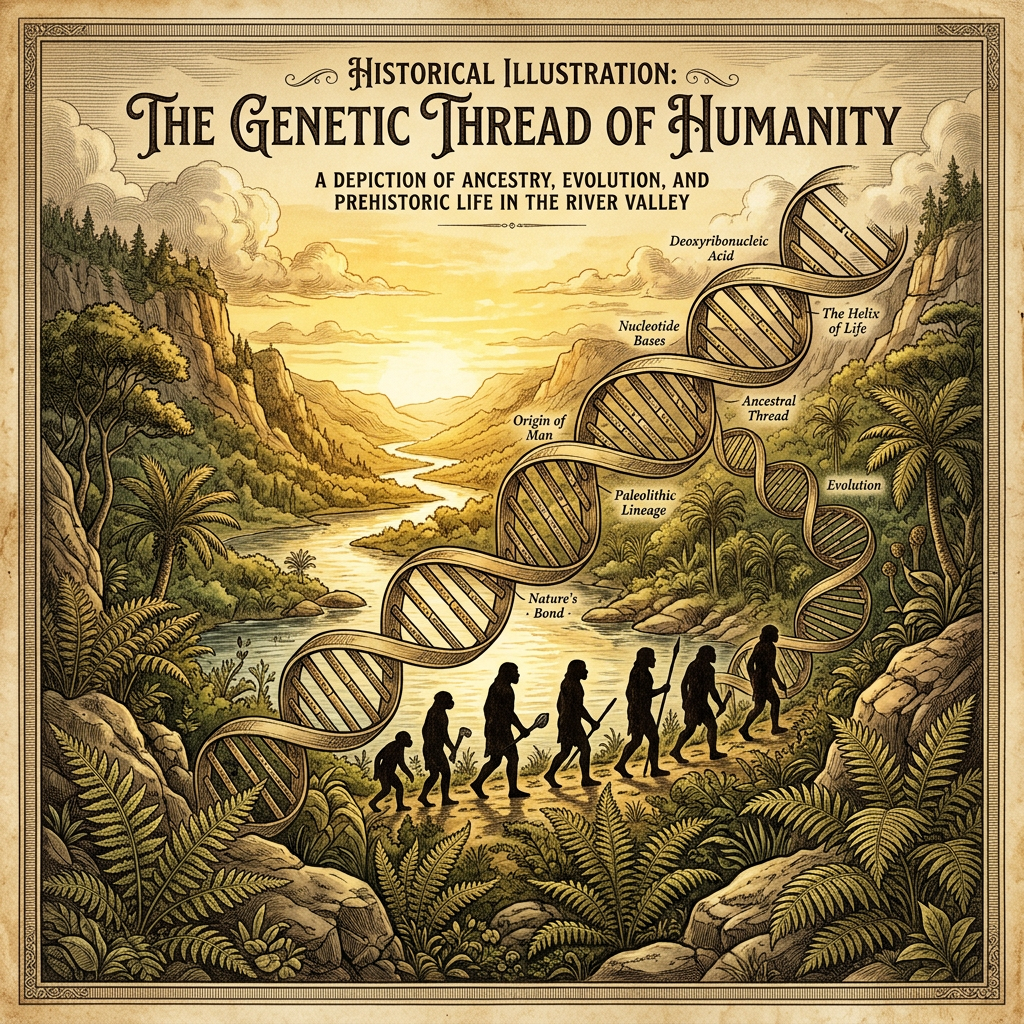
In a landmark paper appearing in Nature Paleogenomics, geneticists have mapped the genome of 16,000-year-old human remains found in the Godavari Basin of central India. The study identifies a "ghost lineage" of modern humans that diverged during the Late Pleistocene. Crucially, the analysis revealed specific genetic markers associated with the metabolic detoxification of neurotoxins found in endemic fern species, which served as a primary forage source during the arid pulses of the last glacial period.
This paleogenomic research highlights the extreme biological resilience of early South Asian hunter-gatherers. The findings suggest that the ancestors of the Indian peninsula underwent rapid localized evolution to survive in unique ecological niches. This genetic signature, while largely diluted in modern populations, provides a vital link in understanding the anthropological history of human migration and survival strategies in the subcontinent before the onset of the Holocene.