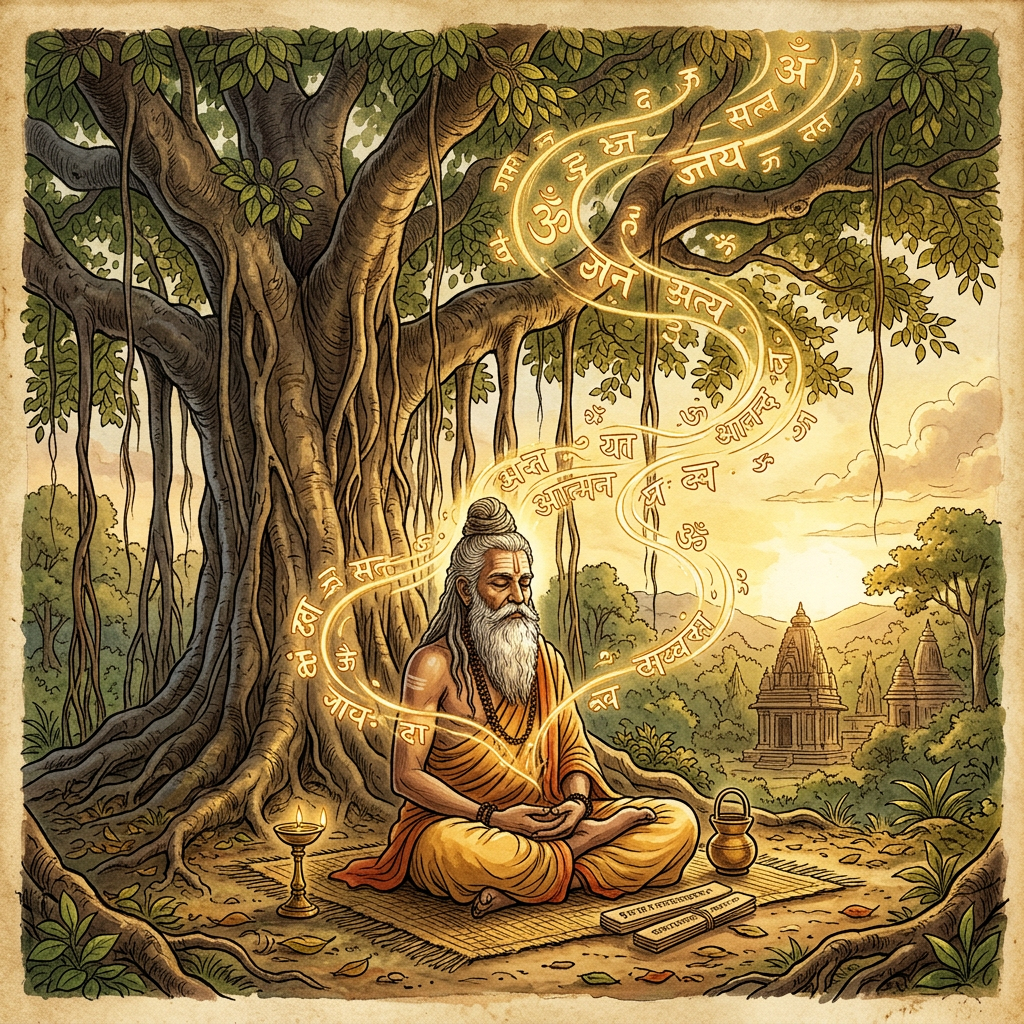
A 12th-century palm-leaf manuscript titled 'Anubhava-Sutra' has been discovered in a remote village library in West Bengal, offering a sophisticated defense of subjective experience as a valid 'Pramana' (source of knowledge). The text argues that while logic provides the framework for truth, only direct internal experience can provide the 'Siddhanta' (conclusion) required for spiritual liberation.
The manuscript is notable for its critique of purely intellectual scholars, whom it refers to as 'Shushka-Tarkikas' (dry logicians). This find highlights a vibrant tradition of 'Experience-based Logic' in medieval Bengal that influenced both the later Navya-Nyaya and the Sahajiya movements, emphasizing the role of the individual's consciousness in validating metaphysical claims.