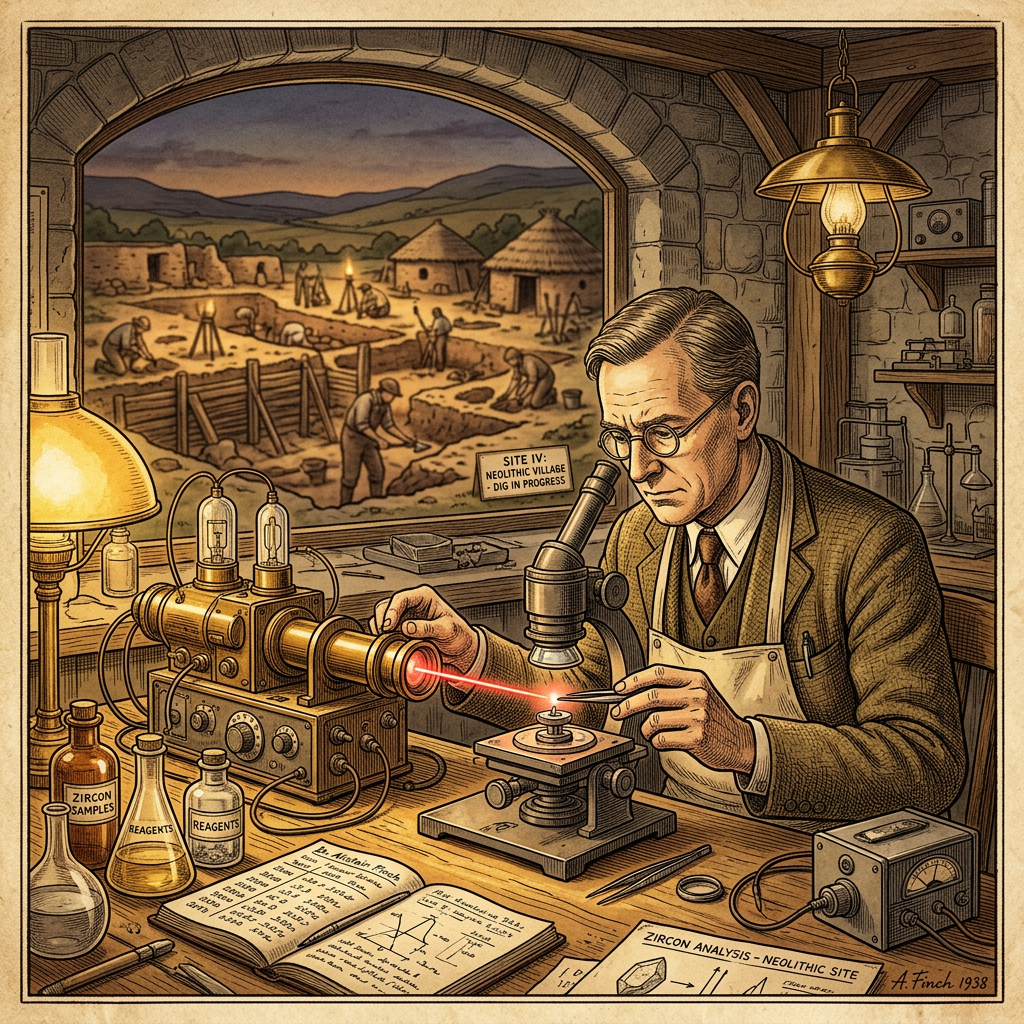
Using a novel Single-Crystal Zircon Uranium-Lead dating technique, researchers have recalibrated the age of the earliest Neolithic layers in the southern Deccan plateau. The new data, published in Earth and Planetary Science Letters, places the transition to sedentary farming and cattle-keeping in Karnataka at 3500 BCE, nearly 1,000 years earlier than the standard chronology.
This breakthrough allows archaeologists to link the Southern Neolithic transition more closely with the early urban phases of the Indus Valley. The results suggest that the spread of agricultural technology across the Indian peninsula was a much more rapid and synchronous process than previously assumed, involving a complex interplay between local hunter-gatherers and migrating pastoral groups.