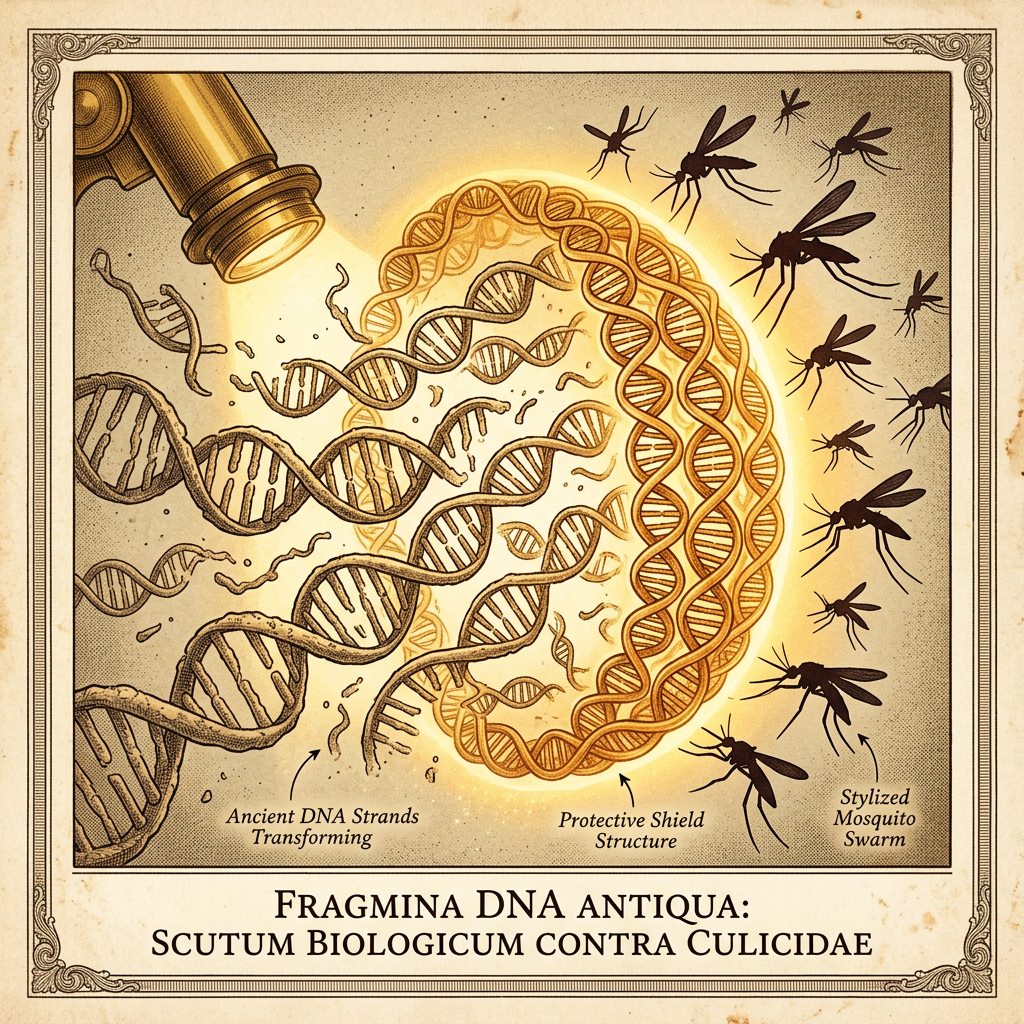
A new paleogenomic study published in Nature Genetics has mapped the genome of 9,000-year-old human remains found in the Meso-Sahal region of North-Central Africa. The analysis identified the earliest known genetic markers for resilience to endemic malaria, specifically the G6PD deficiency variant. This discovery indicates that the selective pressure of malaria on human populations was already intense at the dawn of the Holocene, far earlier than the widespread adoption of agriculture in the region.
The research suggests that these early hunter-gatherer groups were navigating highly humid, pathogen-dense environments, leading to rapid evolutionary adaptations. This 'ghost lineage' of resilient individuals provides a crucial link in understanding how early humans survived the expansion of tropical diseases during the greening of the Sahara, and offers new insights into the evolutionary history of the immune system.