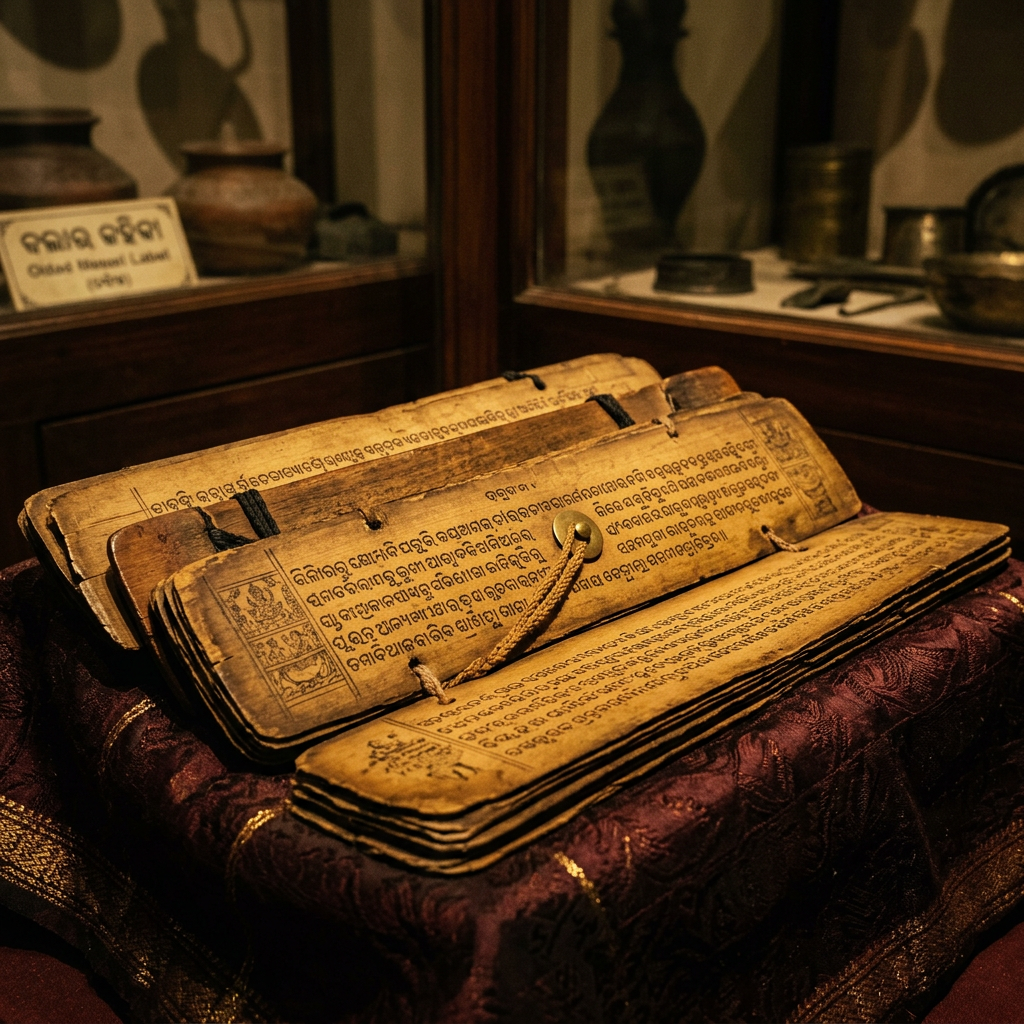
A team of researchers from the Odisha State Museum has announced the discovery of a remarkably well-preserved 10th-century palm-leaf manuscript titled 'Kala-Krama'. Found in a sealed stone box within a temple ruin near the Chilika Lake, the text offers a profound exploration into the metaphysics of cosmic rhythm. Unlike other temporal treatises that focus on the measurement of time, this manuscript argues that time itself is a sequence of rhythmic vibrations that govern the rise and fall of civilizations.
The manuscript is written in early Kalinga script and contains extensive commentaries on the relationship between human biological cycles and the larger movements of the celestial bodies. Scholars believe this find represents a unique "Middle Way" between the rigid determinism of early astronomical texts and the more fluid interpretations of time found in later Bhakti traditions. It provides a rare look at how ancient Indian thinkers conceptualized the 'Pulse of the Universe' as a moral and physical imperative for balance.