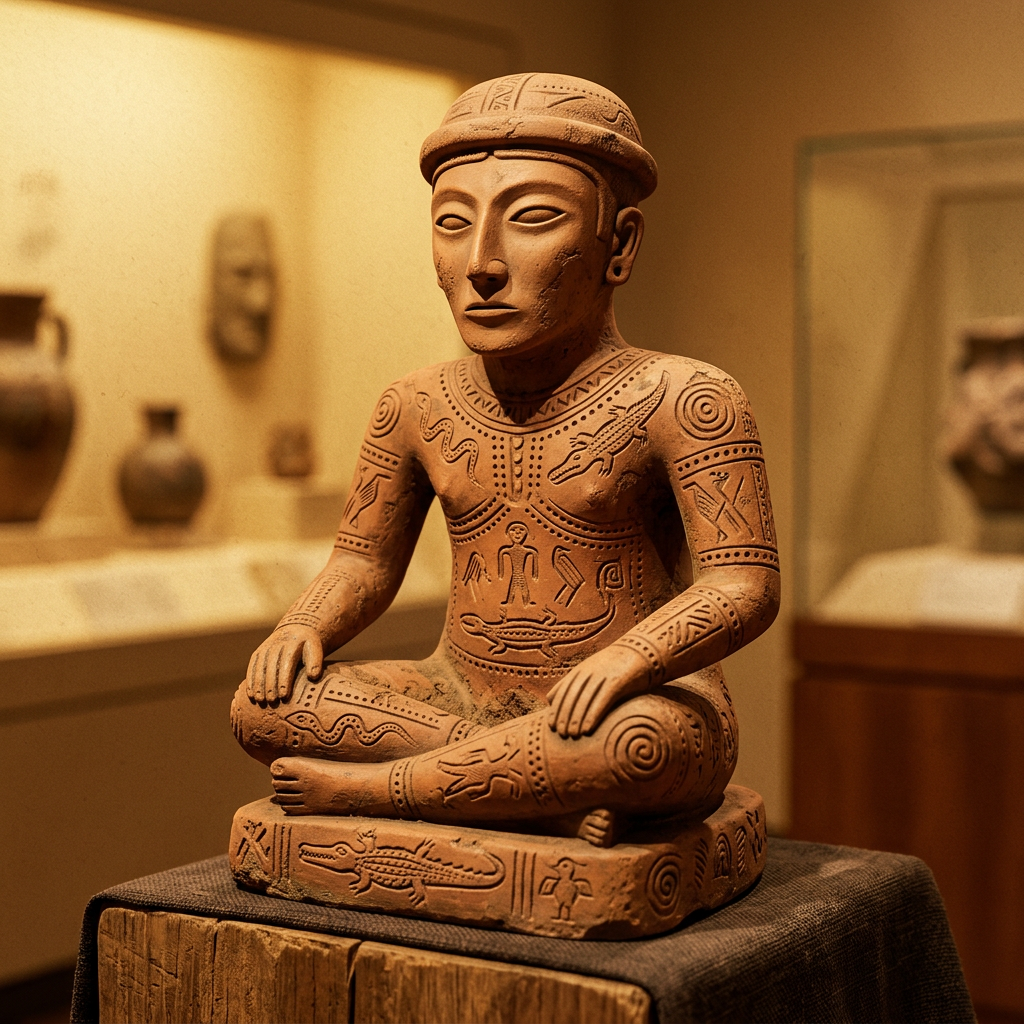
A new interdisciplinary analysis of terracotta reliefs from the ancient West African city of Djenne-Djenno has identified recurring motifs that represent a foundational philosophy of 'Nyama' (vital force). Researchers argue that these artworks were not merely decorative but served as mnemonic devices for an ethics of social interconnectedness. The philosophy dictates that every individual's action has a ripple effect that impacts the collective equilibrium of the city.
The study highlights a pre-Islamic wisdom tradition that governed one of Africa's oldest urban centers. By deciphering the symbolic language of the terracotta figures, scholars have gained new insights into how early African civilizations conceptualized the relationship between personal responsibility and communal well-being.