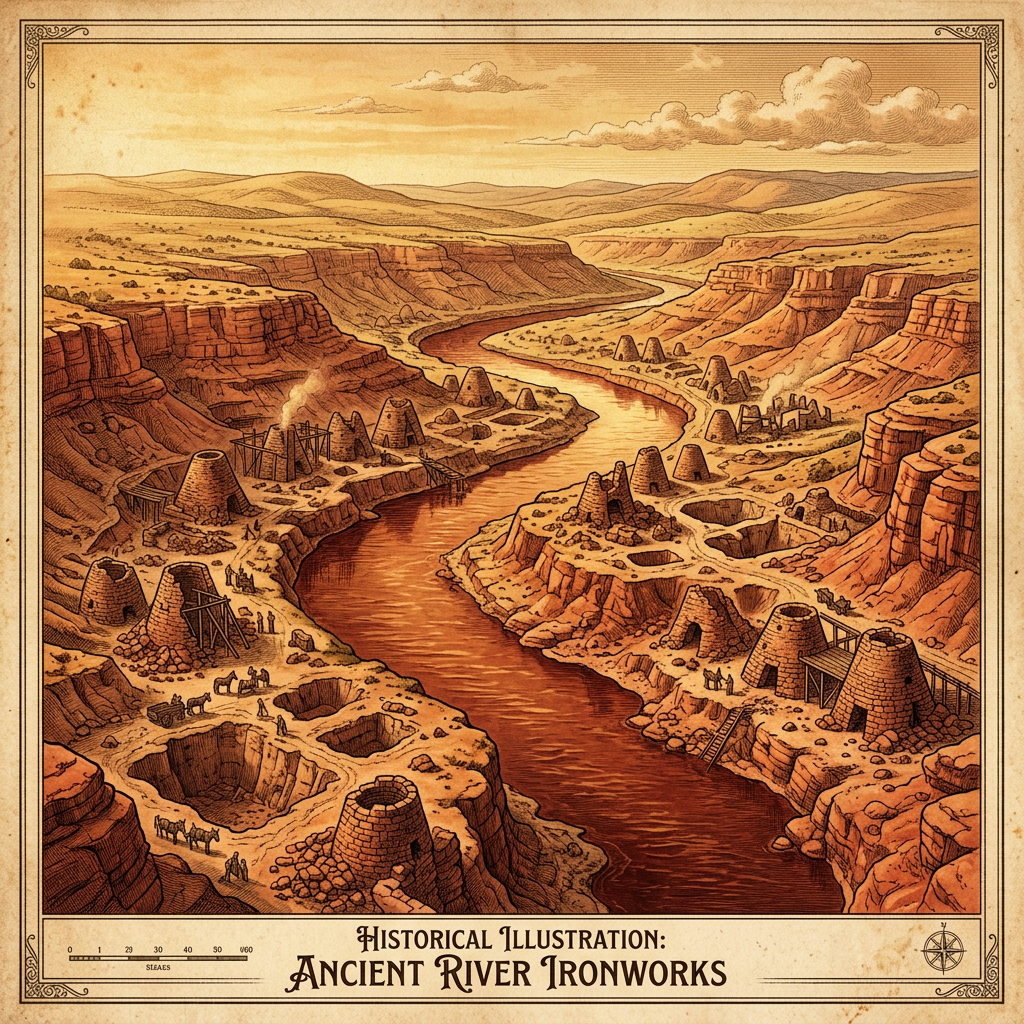
UNESCO has officially added the Prehistoric Copper-Smelting Cultural Landscapes of the Rio Tinto in Spain to the World Heritage List. The site encompasses thousands of years of mining history, with the oldest furnace remains dating back to the Chalcolithic period. The reddish, mineral-rich waters of the river provide a surreal backdrop to the archaeological ruins, which include Roman-era water wheels and sprawling slag heaps that demonstrate the evolution of metallurgical techniques over three millennia.
The committee praised the site as an exceptional record of human industrial development and its profound impact on the landscape. The designation includes a conservation plan to manage the unique acidic environment of the river while protecting the fragile stone ruins from erosion. Tourism in the region is expected to grow, with new educational trails designed to explain how the copper from these mines fueled the growth of civilizations across the Mediterranean, from the Phoenicians to the Roman Empire.