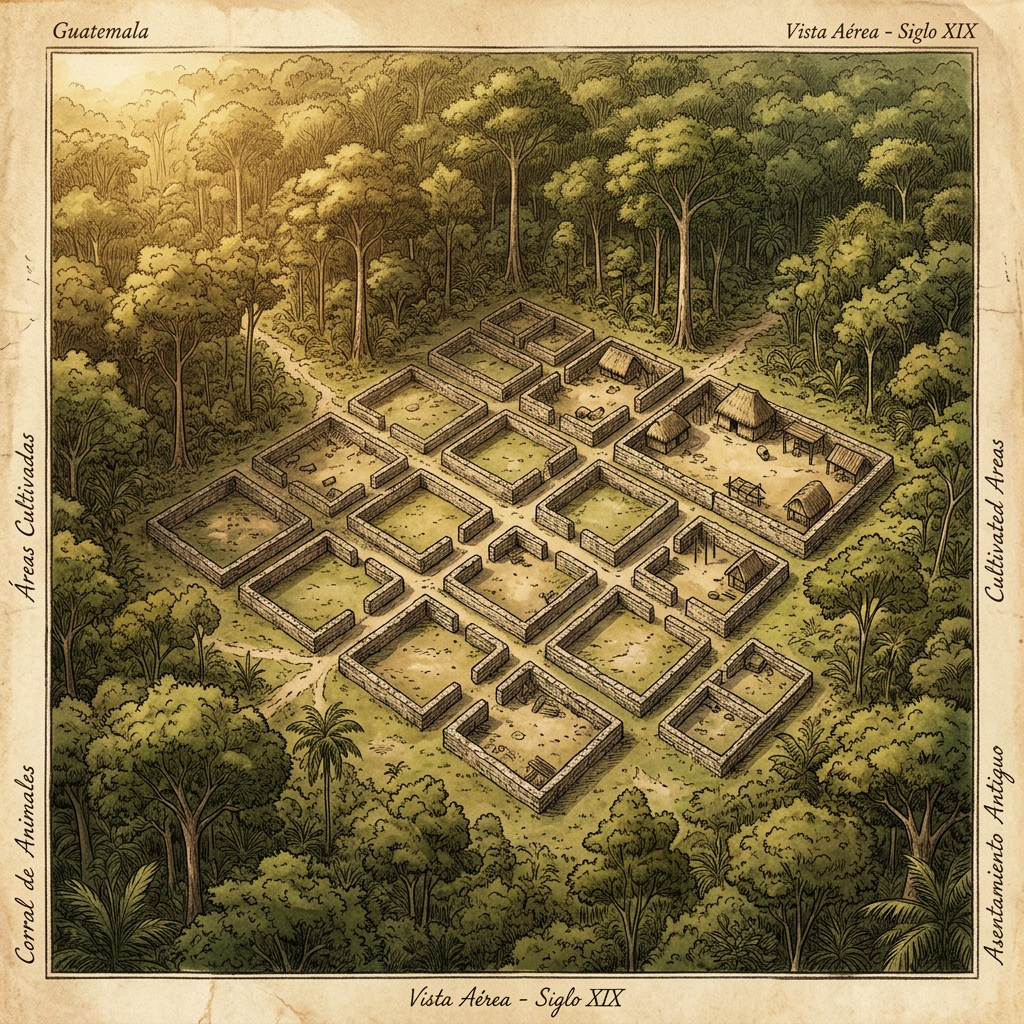
A high-resolution LiDAR survey covering over 500 square kilometers of the Petén jungle in Guatemala has identified a massive, specialized urban center dedicated entirely to the large-scale breeding of turkeys. The site, currently dubbed 'Uxbakel' by researchers, features thousands of individual stone-walled enclosures specifically designed for domesticated birds, alongside specialized drainage systems and centralized grain storage units.
Archaeologists believe this discovery represents the first clear evidence of an industrial-scale aviculture industry within the Mayan civilization. The sheer density of the pens suggests that Uxbakel was a major supplier of animal protein and ceremonial feathers for the nearby regional capitals of Tikal and Calakmul during the Late Classic period. Isotopic analysis of bone fragments found on-site confirms the birds were fed a diet primarily composed of cultivated maize.
The LiDAR data also revealed a network of dedicated causeways connecting the breeding hub to several previously unknown satellite villages. This suggests a highly organized logistical network for the transport of livestock across the lowlands, further demonstrating the sophistication of Mayan agricultural and commercial systems beyond traditional crop cultivation.