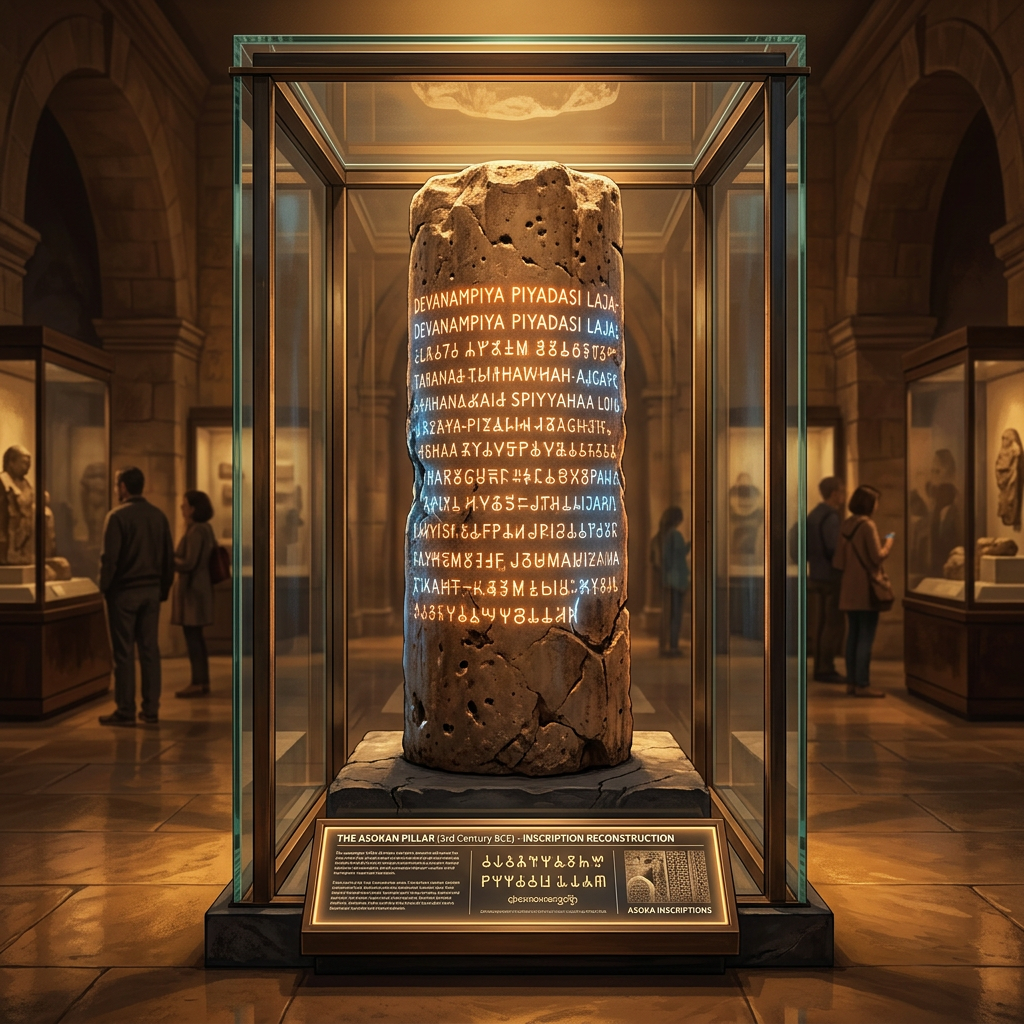
New multi-spectral analysis of a weathered sandstone pillar in Ujjain has allowed experts to decipher a series of 5th-century inscriptions detailing the 'Karma-Siddhi' philosophy. The text, commissioned during the height of the Gupta Empire, explores the metaphysics of intentionality (Cetana) and its role in shaping the moral landscape. It posits that the 'weight' of an action is determined not by its physical outcome, but by the 'clarity of purpose' behind it.
The inscription serves as a philosophical guide for the urban elite of the time, emphasizing that Dharma is a dynamic internal state rather than a static set of social rules. Historians note that this discovery highlights a sophisticated 'philosophy of the self' that flourished during the Indian Golden Age, bridging the gap between ritualistic Vedic practice and internal contemplative traditions.