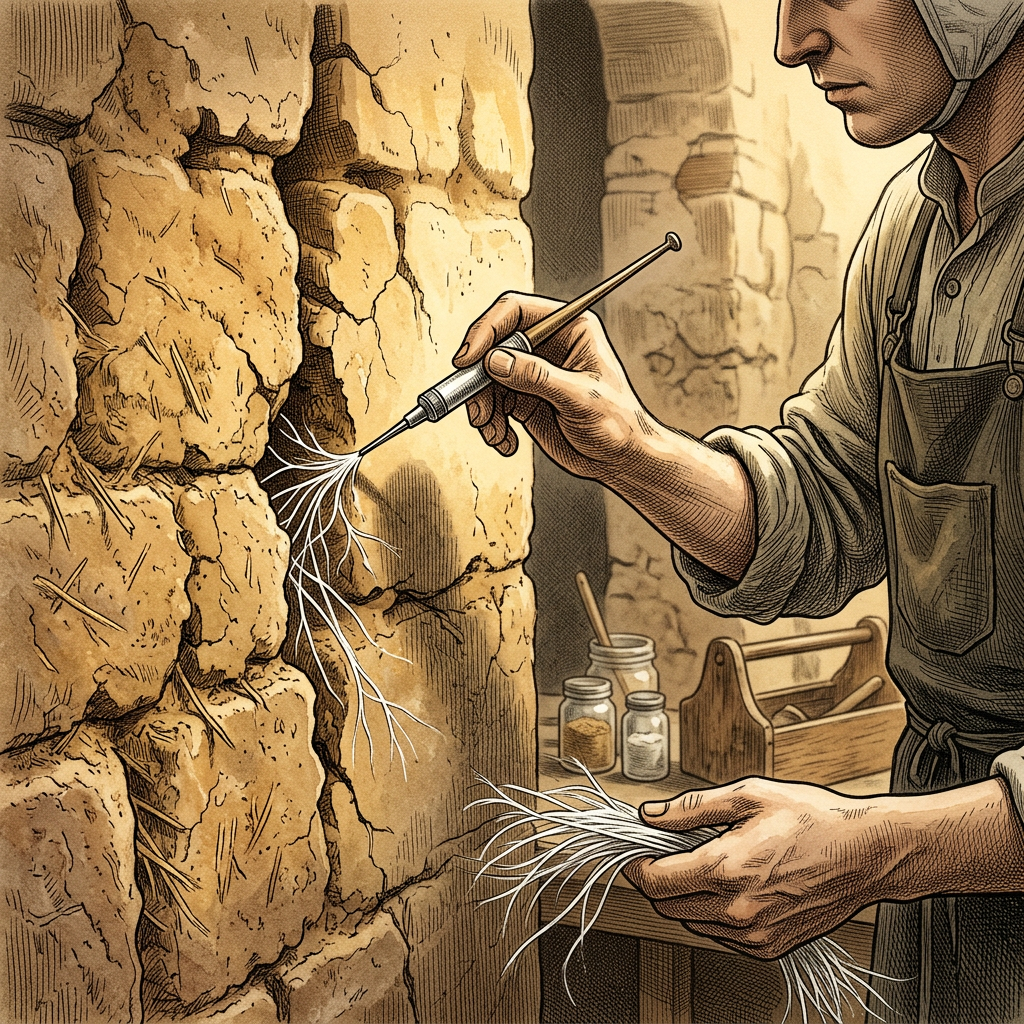
In an innovative application of bio-technology for conservation, engineers at the UNESCO-protected site of Ancient Merv in Turkmenistan have begun using synthetic mycelium scaffolding to stabilize fragile mud-brick structures. The technology involves injecting a nutrient-rich fungal substrate into the cracks of 1,000-year-old walls. As the mycelium grows, it creates a dense, fibrous network that binds the loose earth without the need for intrusive chemicals or modern cements.
This 'living restoration' method is particularly effective in arid environments where traditional mortar often fails due to thermal expansion. The bio-remediation project is the first of its kind on such a large scale and offers a sustainable, carbon-neutral solution for protecting the vast earthen architecture of the Silk Road. If successful, the technique could be exported to dozens of at-risk adobe heritage sites across the Middle East and North Africa.