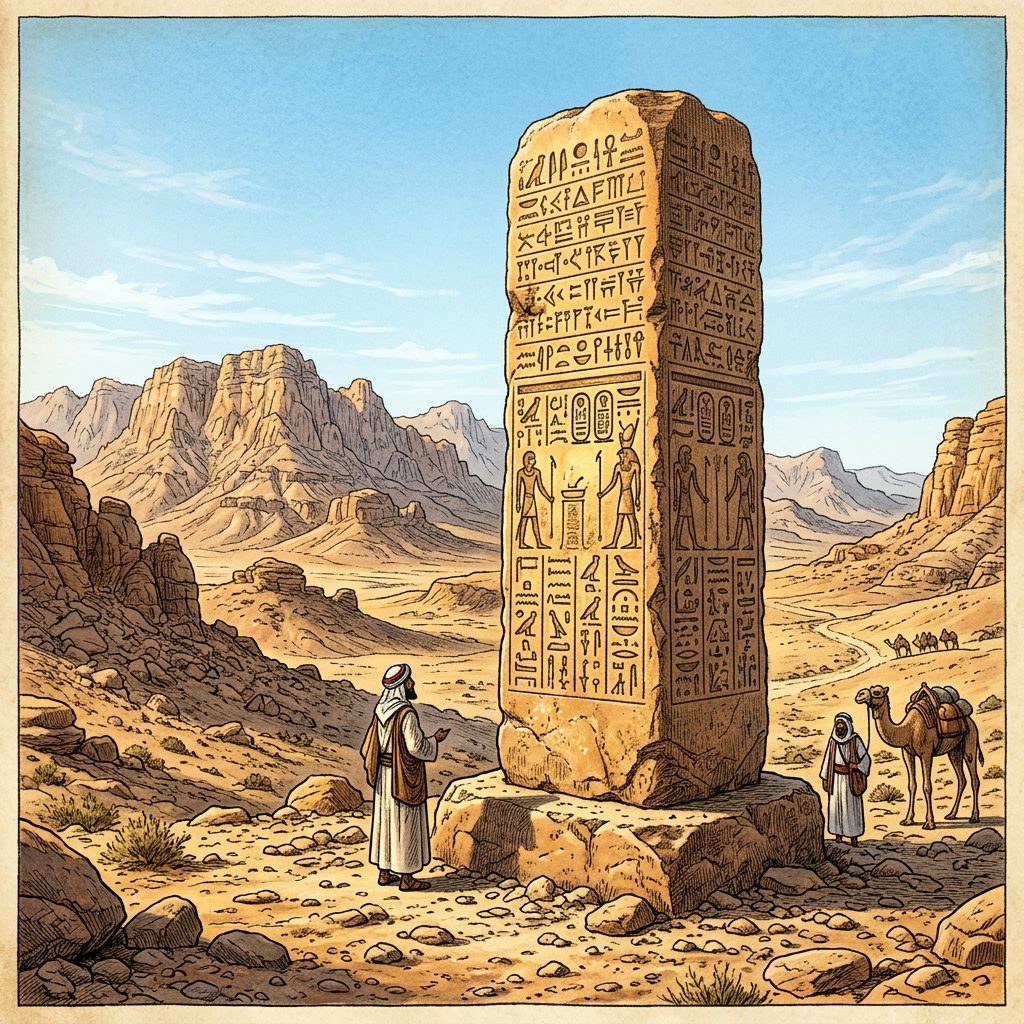
Inscriptions found on a granite outcrop in the Aravali Range have been identified as the 'Bhumi-Niti', a 6th-century BCE ethical discourse on the sanctity of the earth. The text outlines a philosophy where the land is viewed as a living entity with inherent rights, predating modern environmental ethics by over two millennia.
The inscriptions emphasize the 'Dharma of the Soil', advocating for sustainable land use and the protection of water sources as a sacred duty. This discovery provides a historical link between ancient Vedic ecology and the practical ethics of stewardship practiced by early agrarian communities in central India.