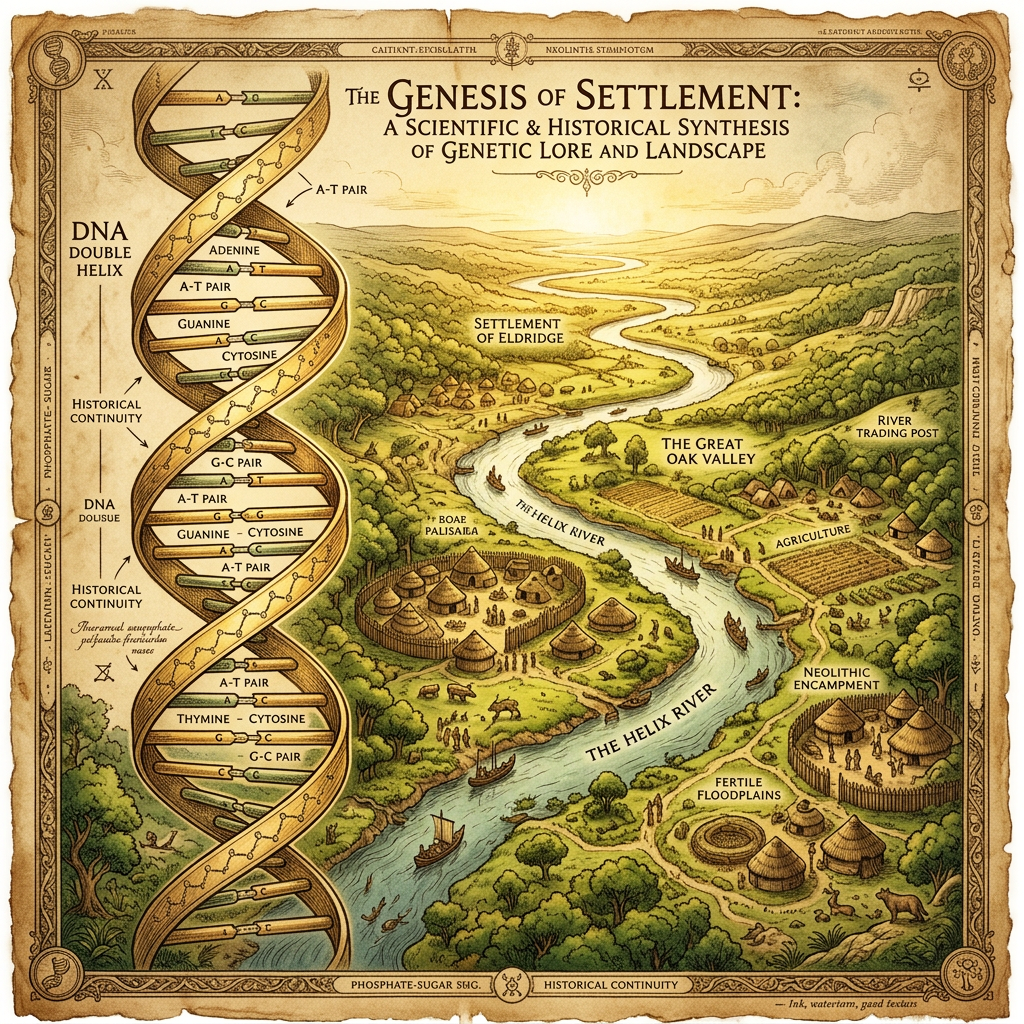
In a landmark paper appearing in Nature Genetics & Anthropology, researchers have successfully sequenced the genome of an individual from the Middle Narmada Valley dating back to 6500 BCE. The analysis identified specific genetic variants associated with resistance to seasonal endemic fevers, marking the earliest known instance of such a genetic adaptation in the Indian subcontinent.
The study highlights how early hunter-gatherer populations in central India developed high levels of genetic resilience to tropical pathogens long before the advent of settled agriculture. These findings provide critical evidence for the long-term evolutionary continuity of indigenous lineages in the region and offer new insights into how prehistoric climate shifts influenced the genetic landscape of ancient India.