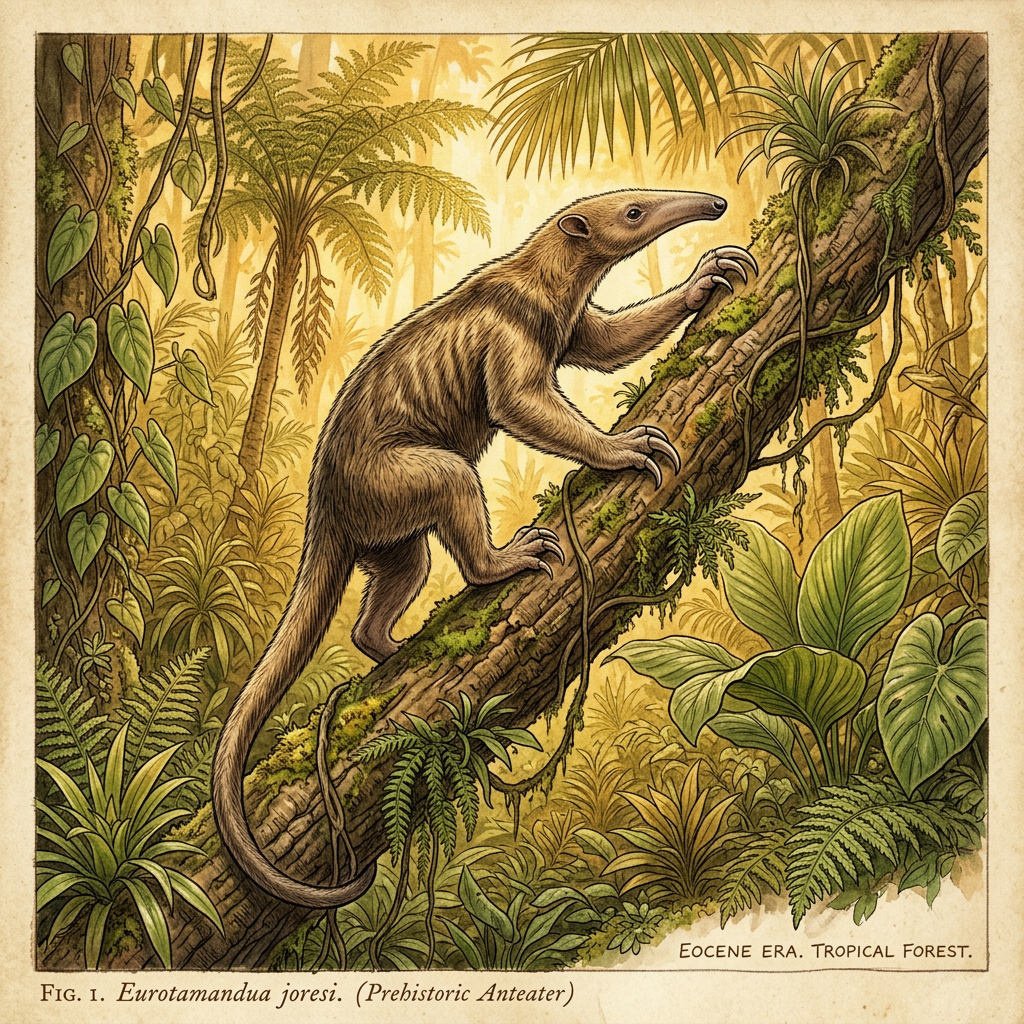
Paleontologists working in the Luangwa Valley of Zambia have announced the discovery of an exceptionally well-preserved skeleton of an Eocene mammal. This creature, named Zambiapithecus scandens, exhibits specialized elongated limbs and curved claws, suggesting a highly adapted arboreal lifestyle previously unrecorded in southern African anteater lineages.
The finding provides a missing link in the evolution of placental mammals on the African continent during the post-dinosaur era. Analysis of the specimen's skull indicates a sophisticated sense of smell and a long, specialized tongue, confirming its diet of social insects. This discovery challenges existing models of environmental conditions in the Eocene African interior, suggesting a much denser forest cover than previously hypothesized.