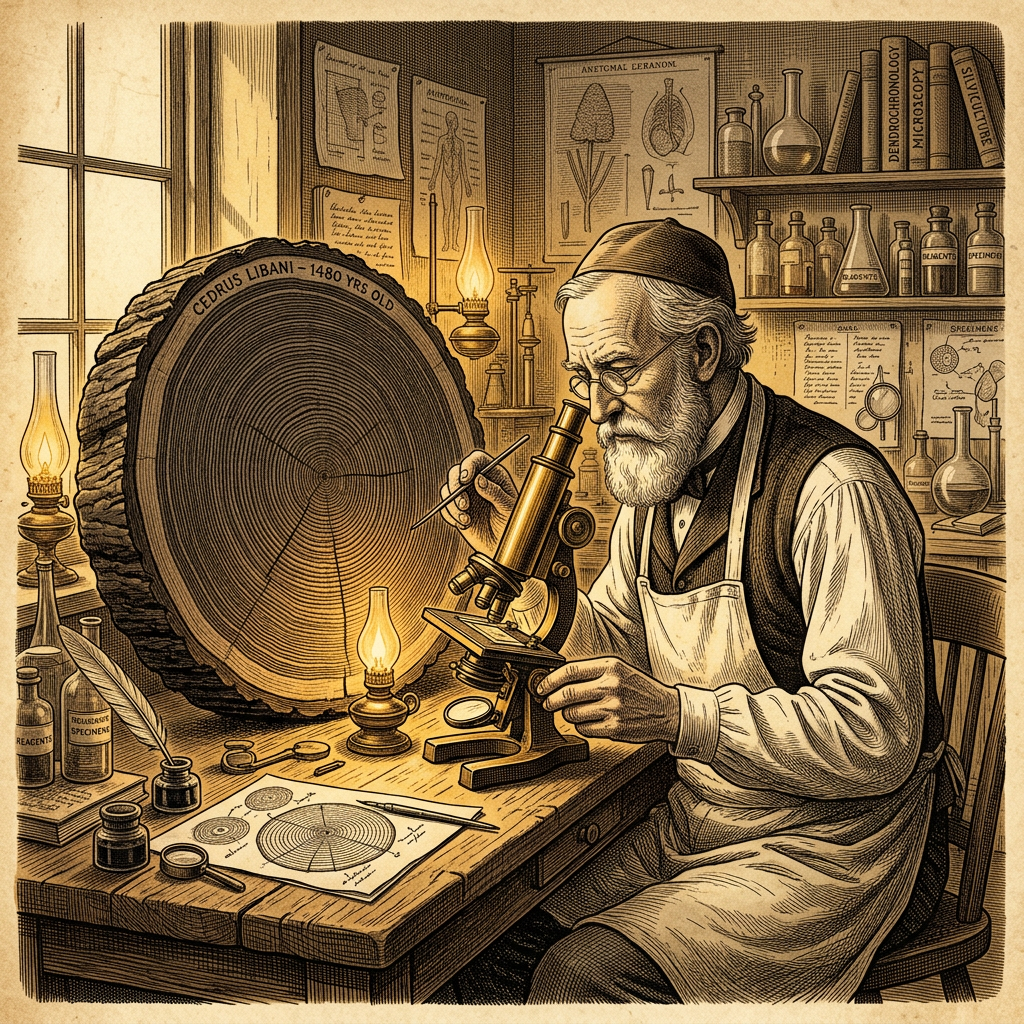
Environmental historians have utilized dendrochronology on the remains of submerged cedar trees found off the coast of Cyprus to confirm a precise timeline for the Great Levantine Drought. The data indicates a severe, multi-decade drop in rainfall beginning around 1200 BCE, coinciding almost exactly with the legendary Late Bronze Age collapse of several Mediterranean civilizations. The tree-ring samples show extremely narrow growth patterns, indicating prolonged environmental stress that likely crippled agricultural surplus.
This breakthrough in climate archaeology offers a direct link between environmental shifts and the sudden decline of the Mycenaean, Hittite, and New Kingdom Egyptian spheres of influence. Researchers argue that while social and political factors were involved, the ecological catastrophe of 1200 BCE was the primary catalyst for the widespread regional destabilization.