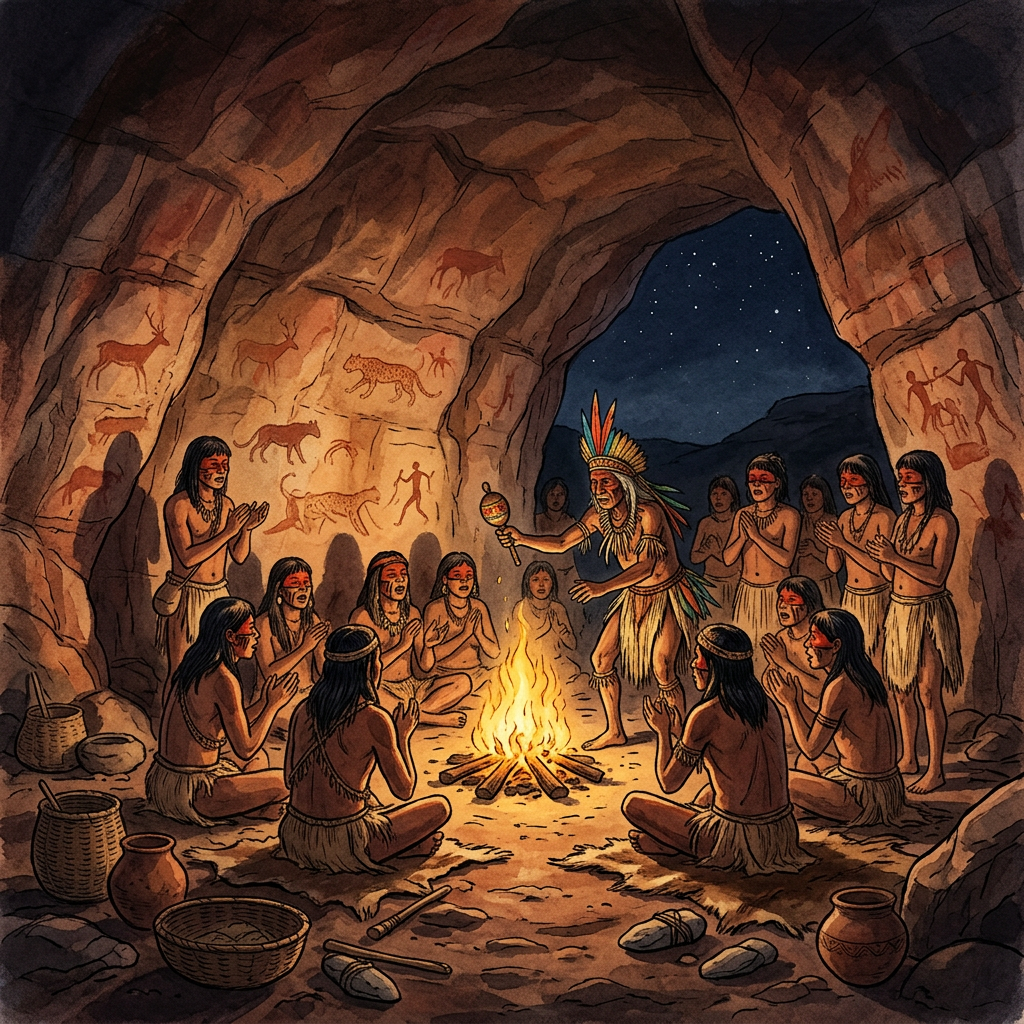
Archaeologists using a novel nanoscale radiocarbon dating technique have refined the timeline of the Lapa do Santo rock shelter in central Brazil. The research, published in PLOS ONE, provides a seasonal-scale resolution for a series of complex mortuary rituals involving body reduction and bone manipulation. The new dates confirm that these sophisticated symbolic behaviors emerged as early as 10,000 years ago, much earlier than the previously accepted dates for complex burials in South America.
This refined chronology indicates that early Holocene populations in the Americas possessed highly developed symbolic systems and communal identities. The precision of the nanoscale analysis allowed researchers to distinguish between individual burial events that were previously thought to be contemporaneous, revealing a continuous ritual tradition that spanned over five centuries at the same site. This discovery challenges traditional models of hunter-gatherer social simplicity during the early settlement of the Amazonian fringes.