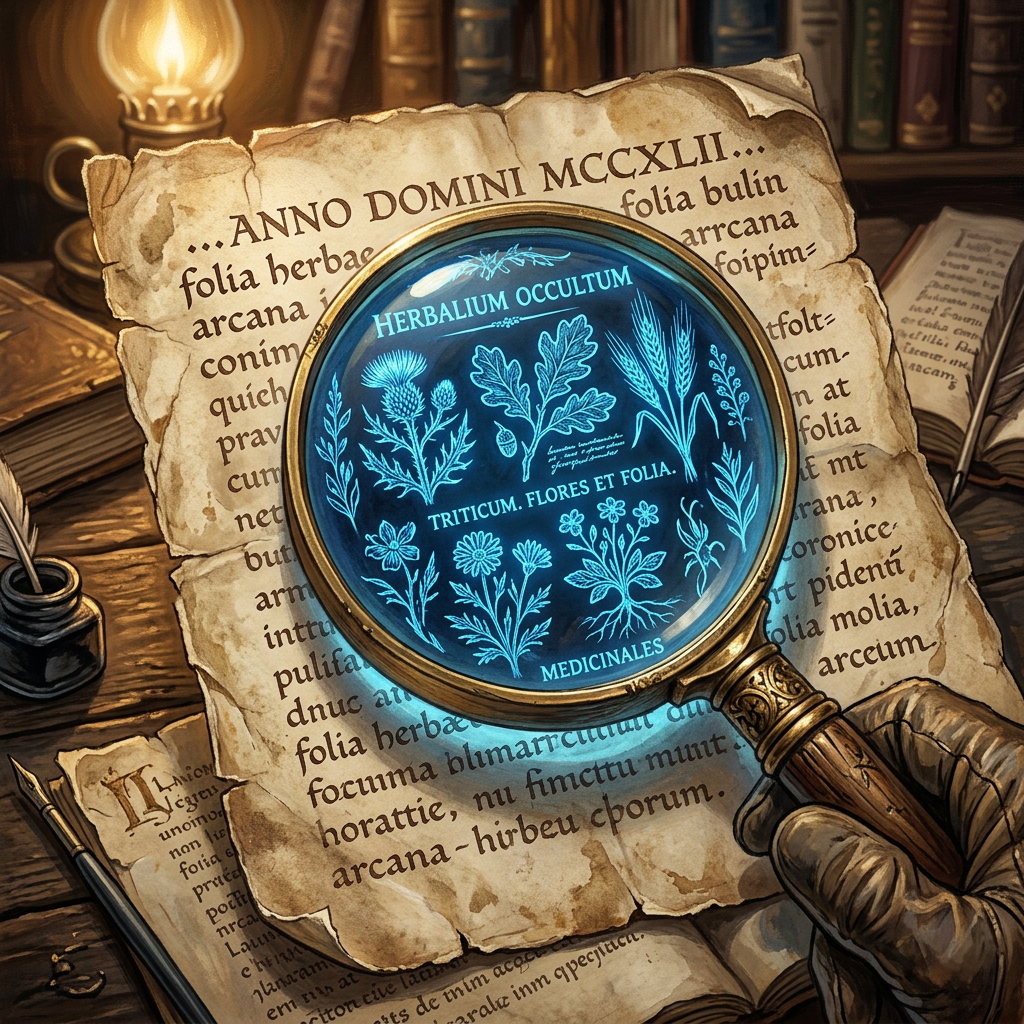
A collaboration between the International Dunhuang Project and AI researchers has led to the reconstruction of several 6th-century palimpsests written in the Siddham script. The underlying text, which had been overwritten for centuries, contains a lost Sanskrit treatise titled Maru-Vrikshayurveda, focusing on the systematic classification and medicinal properties of xerophytes (desert-adapted plants) found along the Silk Road. The text provides detailed instructions on the cultivation of drought-resistant flora to stabilize soil in arid monastic environments.
The decipherment reveals an advanced understanding of plant physiology, including the observation of night-blooming cycles and the use of specific mineral mulches to retain moisture. Scholars suggest that this knowledge was transmitted from the Indian subcontinent to Central Asia, highlighting a robust exchange of botanical science alongside religious and philosophical ideas. The AI used multispectral imaging to isolate the Siddham characters from the later layers of Uighur script.