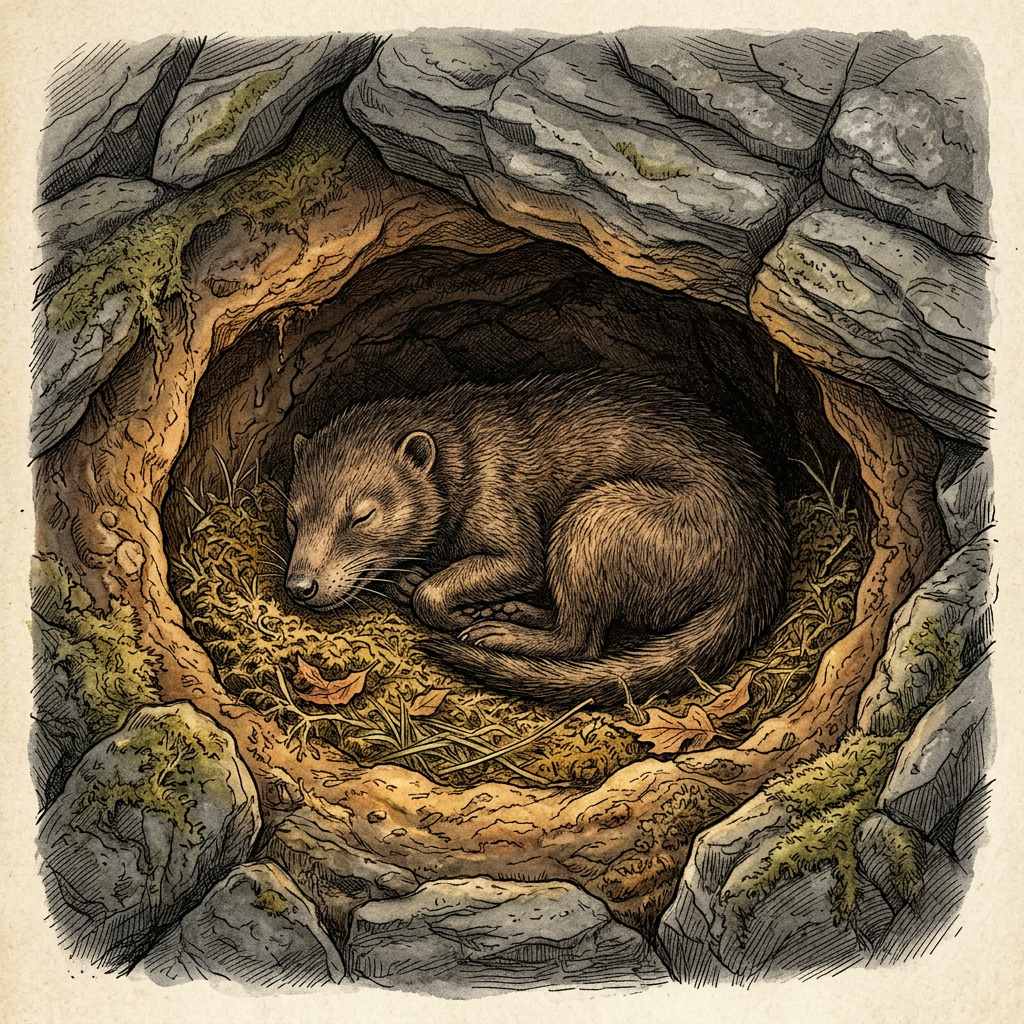
An international team of researchers has announced the discovery of a nearly complete skeleton of a Triassic cynodont, an advanced mammal-like reptile, in the Shackleton Glacier region of Antarctica. Dating to 210 million years ago, the fossil belongs to a new genus named Shackletonius hiberus. This creature was roughly the size of a modern badger and possessed specialized whiskers and fur-like integument, adaptations that allowed it to survive the seasonal darkness of the high southern latitudes.
The discovery is groundbreaking because it provides the first evidence of complex burrowing behavior in Antarctic vertebrates during the Late Triassic. The skeleton was found curled in a fetal position within a fossilized burrow, suggesting it died during a period of seasonal torpor or hibernation. This find significantly alters our understanding of how the ancestors of mammals survived the mass extinction events of the Mesozoic era by developing thermal regulation and subterranean habitats.