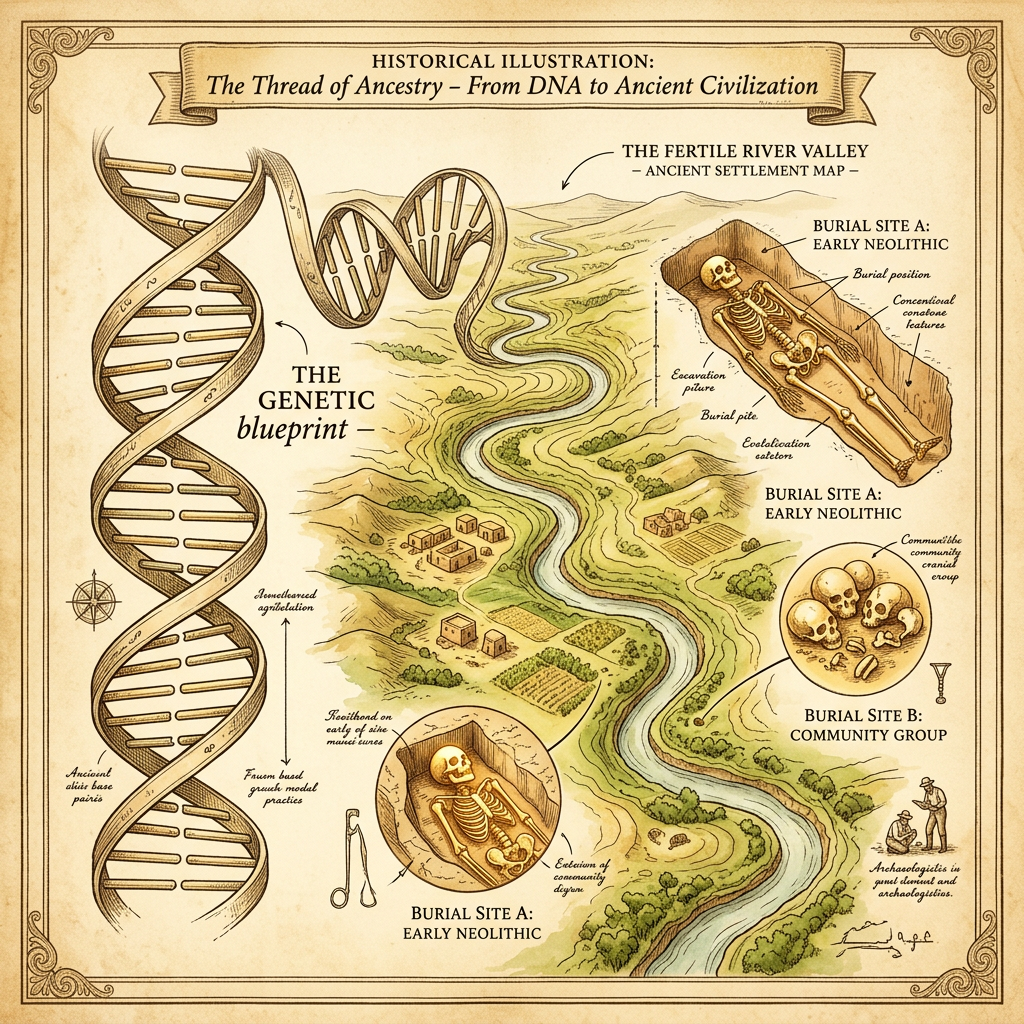
New paleogenomic research conducted on skeletal remains from the Mahanadi Valley has identified the earliest known genetic signature of human resistance to tropical arboviruses. The study, published in Nature Genetics & Heritage, analyzed DNA from hunter-gatherer populations dating back 9,000 years, revealing a specific mutation in the immune response genes that provided resilience against endemic mosquito-borne diseases.
This genetic adaptation suggests that early Holocene populations in the Indian peninsula were already navigating the biological challenges of humid, riverine ecosystems long before the transition to sedentary agriculture. The findings provide critical insights into the deep evolutionary history of the Indian population and its long-term biological interaction with the monsoon environment.