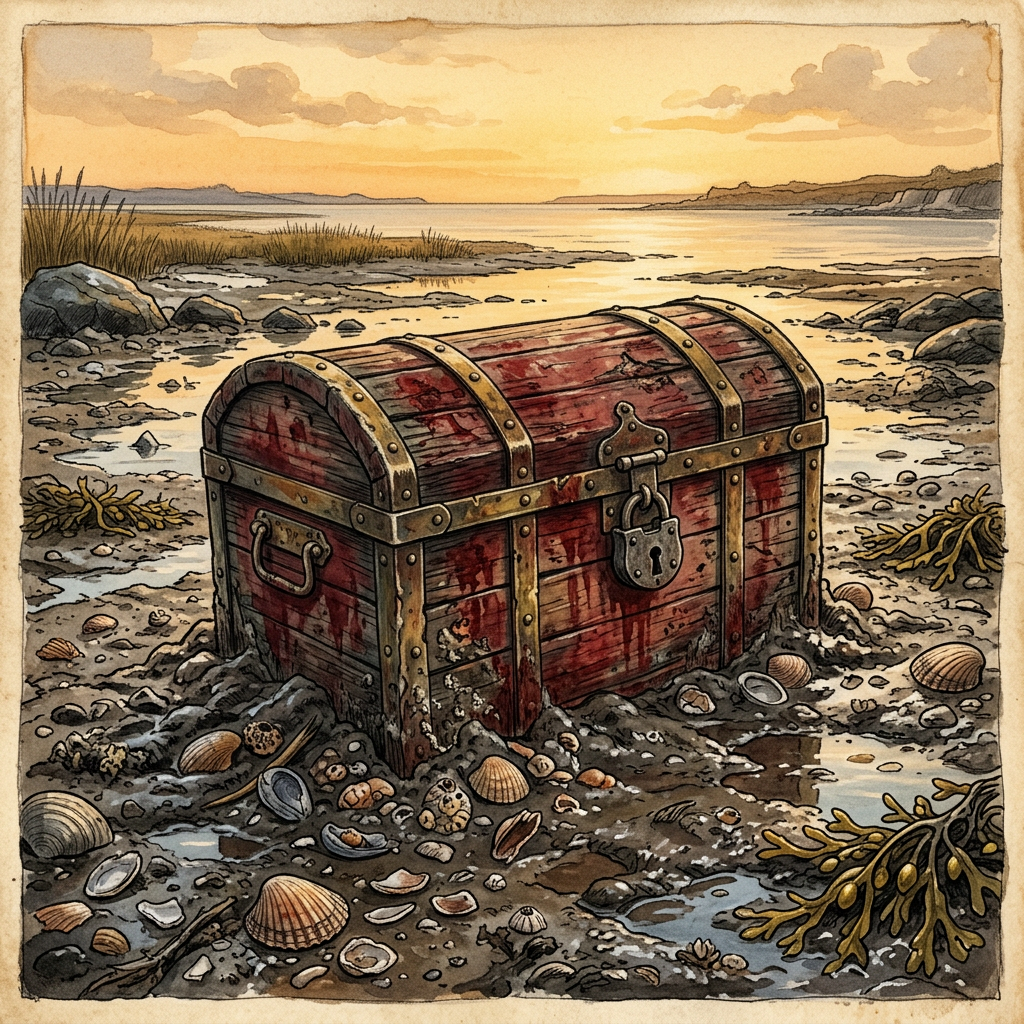
Archaeologists in the Pacific Northwest have discovered three large cedar chests coated in red ochre and buried in a waterlogged site. Dendrochronology dates the wood to nearly 3,000 years ago. These chests contained ritual tools and shell ornaments associated with a prehistoric 'Herring-Greeting' festival, celebrating the annual arrival of forage fish.
The use of red ochre indicates the sacred status of the items, which were likely brought out once a year for communal feasting and storytelling. This finding provides crucial evidence for the longevity of Indigenous cultural heritage and the seasonal ritual economies that supported large populations in the region long before European contact.