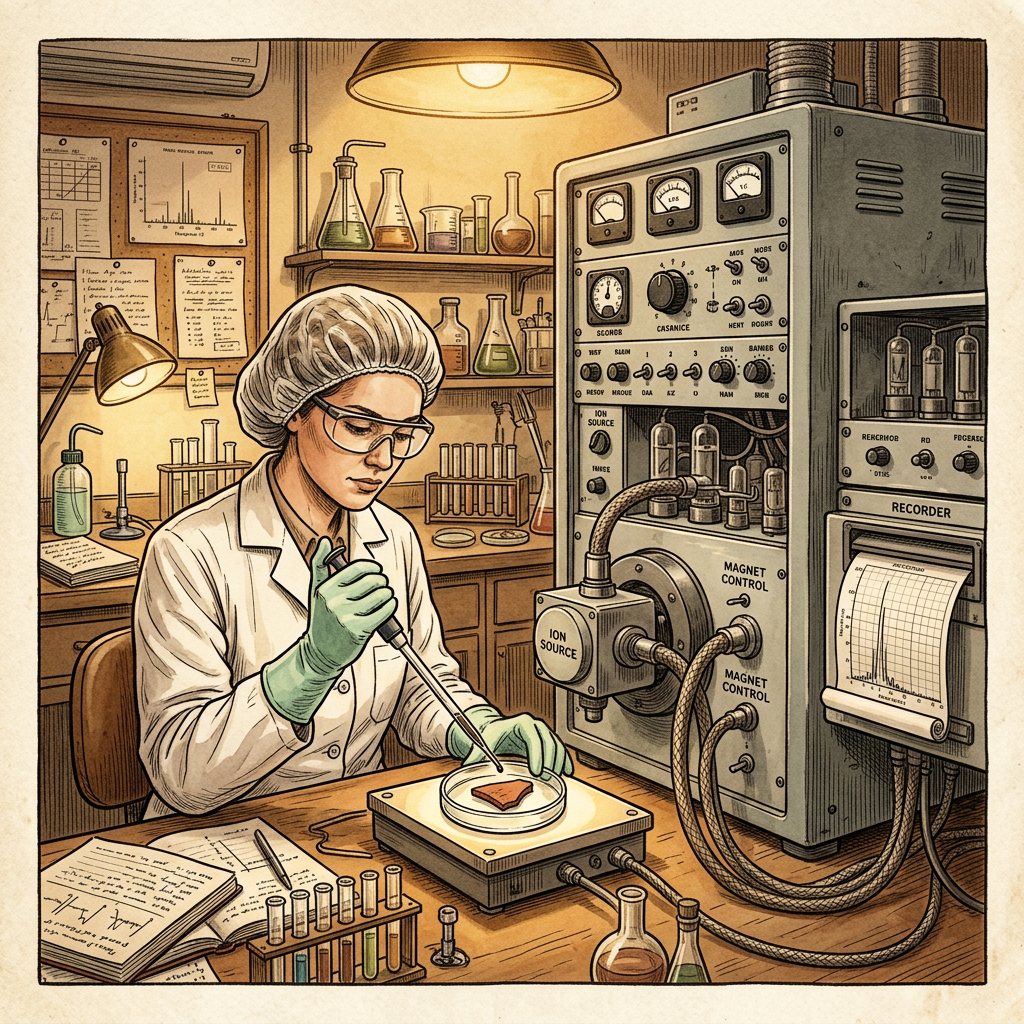
In a major breakthrough for archaeological dating, scientists have applied a novel Chlorine-36 pulse methodology to refine the timeline of Neolithic settlements in the Tapi River Valley. This technique, which measures specific isotopic spikes caused by rare cosmic ray events, has allowed for a temporal resolution of just 2-3 years, far surpassing the precision of traditional radiocarbon dating which often has a century-scale margin of error.
The application of this method to archaeological sites in Maharashtra has pushed back the onset of sedentary farming in the region to approximately 4800 BCE. The data reveals a highly synchronized expansion of agricultural villages, suggesting a rapid social transformation driven by a period of exceptionally stable monsoon rainfall during the mid-Holocene, which allowed for the first widespread cultivation of pulses and cereals.