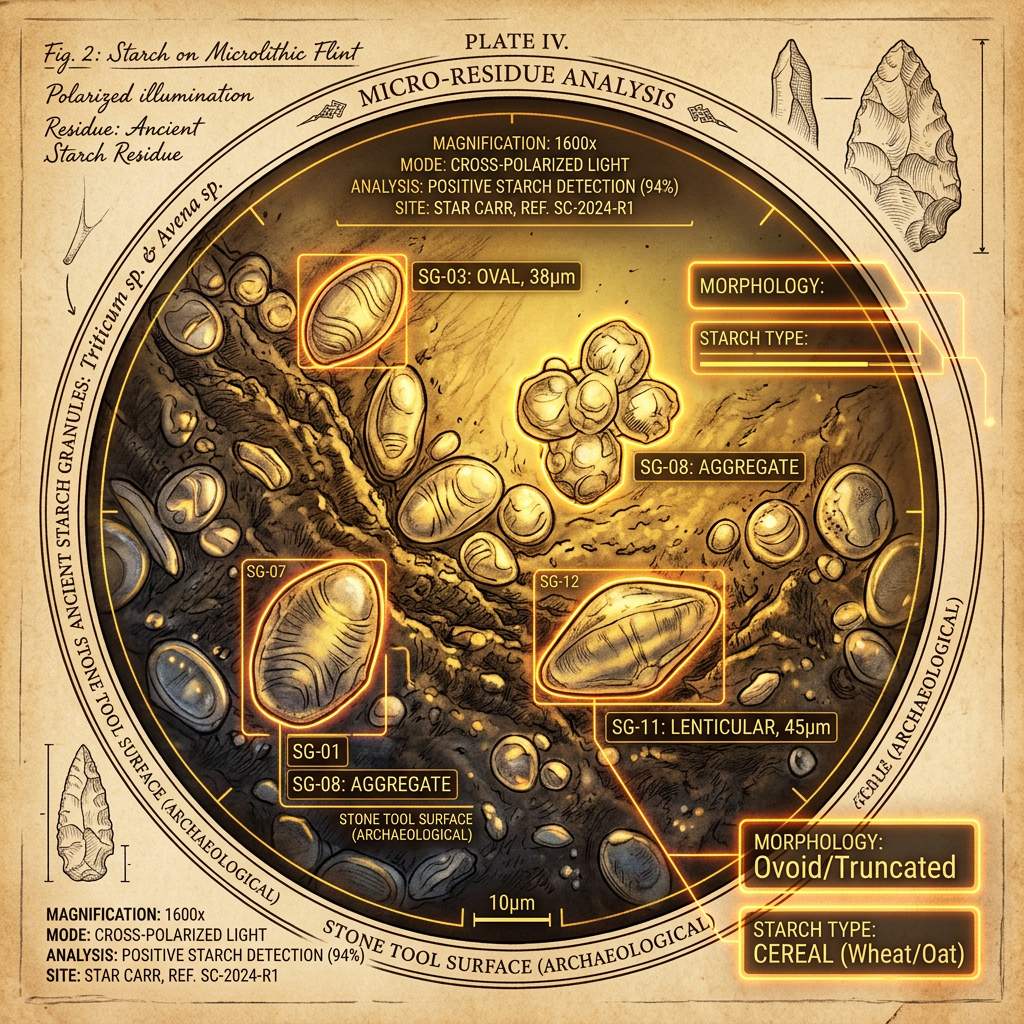
A groundbreaking study in the Global Paleogenomics Quarterly has analyzed the genomes of 8,500-year-old remains found in the Kalahari Basin, revealing a previously unknown genetic divergence. The research identifies a high frequency of the AMY1A gene duplication, which is associated with the efficient digestion of cooked starches. This suggests that these early hunter-gatherers were engaging in the systematic processing of wild cereal grains long before the formal introduction of domesticated agriculture in the region.
The genomic data also points to a long-term population stability that allowed for the development of specific physiological adaptations to low-moisture nutrient extraction. By correlating the genetic findings with micro-wear analysis on stone grinding tools found at the site, the researchers concluded that these communities had a sophisticated 'pre-agricultural' culture focused on the detoxification and milling of endemic arid-zone grasses.