New research published in the Journal of Ancient Mathematics has validated the extreme precision of the Karana-Tilaka, a 10th-century Sanskrit astronomical manual. Using computational models, researchers found that the text employs a series of recursive algorithms to calculate non-linear shadow displacement during partial lunar eclipses. These mathematical shortcuts were designed to correct for atmospheric refraction, a concept previously thought to be modeled with such accuracy only in much later periods.
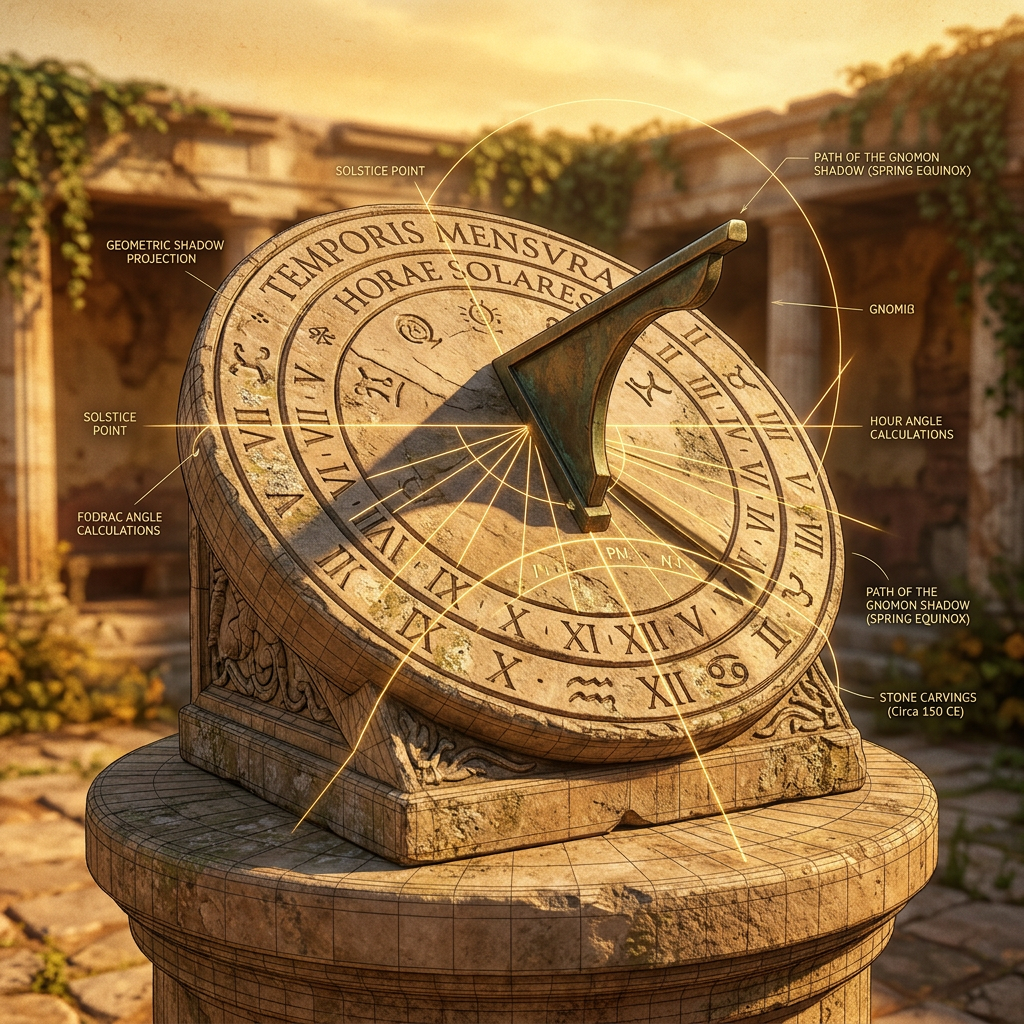
The study demonstrates that the author, Vijayanandin, utilized a base-10 positional system to handle complex fractions that accurately predicted the curvature of the Earth's shadow. This level of mathematical sophistication suggests that medieval Indian astronomers had developed a functional equivalent of interpolative calculus for specific spherical applications. The researchers believe these methods were used to calibrate high-precision stone sundials found across the Indian subcontinent.