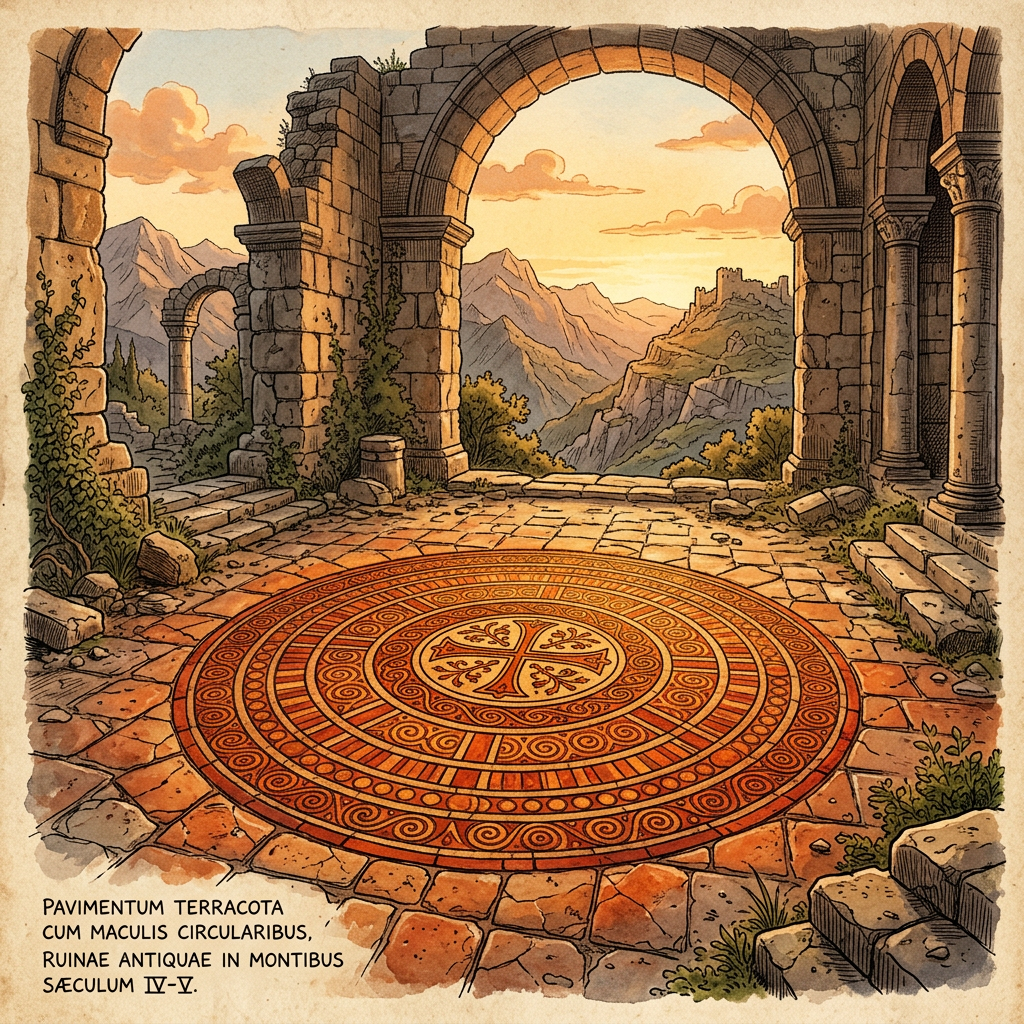
In the foothills of the High Atlas Mountains, researchers have discovered a paved ceremonial courtyard featuring clay tiles deeply stained with saffron and pomegranate pigments. Chemical analysis suggests these tiles were used for a 'bloodless sacrifice' ritual to mark the start of the agricultural year, providing a direct link to the modern Berber New Year, Yennayer.
The site also contained large ceramic jars filled with fossilized almond shells and chickpea residues, confirming that the tradition of preparing a communal seven-grain feast dates back to the Bronze Age. This finding establishes the North African festival as one of the oldest continuously practiced agricultural rites in the world.