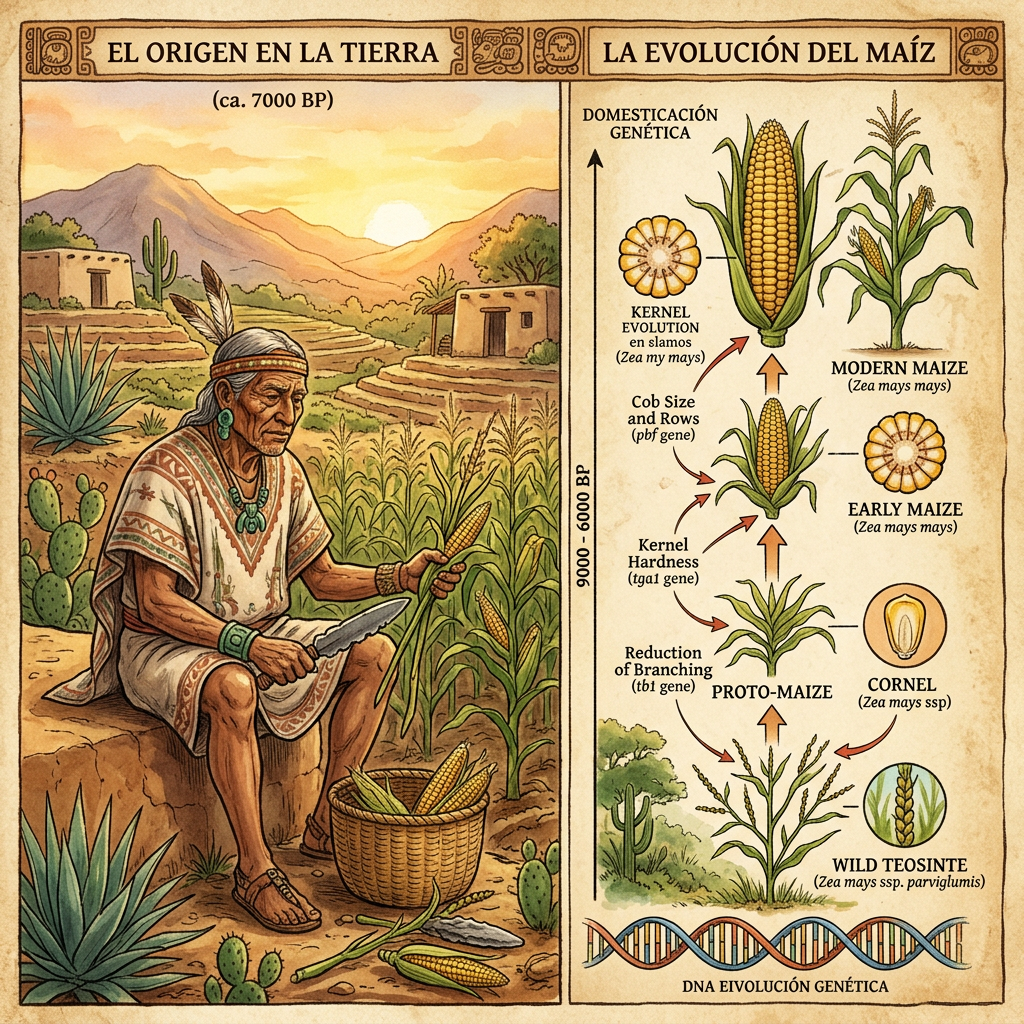
New paleogenomic research conducted by a global consortium has identified the earliest known genetic markers for starch metabolism in human remains found in Mexico's Tehuacán Valley. The study, published in Science Advances, utilized high-resolution DNA sequencing on fragments dating back 12,000 years, uncovering a specific mutation in the AMY1 gene that allowed early foragers to better process wild teosinte grains before full-scale domestication began.
This anthropological breakthrough suggests that human genetic adaptation actually predated the agricultural revolution in the Americas. By analyzing the genomic footprint of these Paleo-Indian populations, scientists can now map the exact timeline of how the human digestive system evolved in tandem with the early manipulation of maize ancestors, providing a new window into the nutritional history of ancient civilizations.