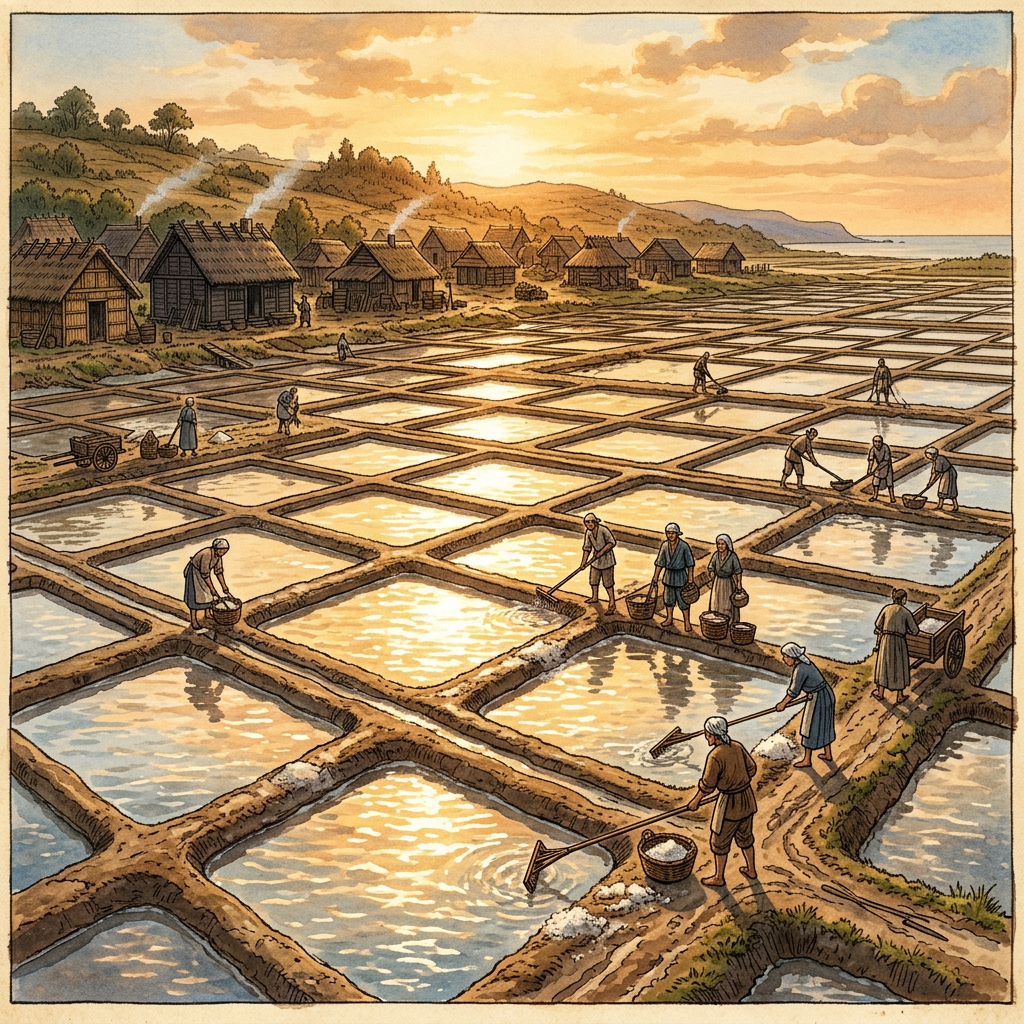
The UNESCO World Heritage Committee has formally added the Mun Valley Salt-Boiling Sites in Northeastern Thailand to its prestigious list, recognizing the region's 2,000-year history of industrial salt production. The site includes ancient earthen mounds, ceramic kiln fragments, and traditional brine-extraction wells that demonstrate a unique communal engineering approach to salt production. These landscapes served as the primary salt source for the Khmer Empire and other Southeast Asian kingdoms, forming the basis of a powerful regional economy.
UNESCO praised the site not only for its historical significance but for its living heritage, as local communities continue to use traditional solar-evaporation and wood-fire boiling methods that have remained unchanged for centuries. The designation includes a commitment to preserve the surrounding watershed, which is critical for maintaining the specific salinity levels required for the traditional process. This move is expected to boost cultural tourism in the Korat Plateau while protecting the site from industrial agricultural expansion.