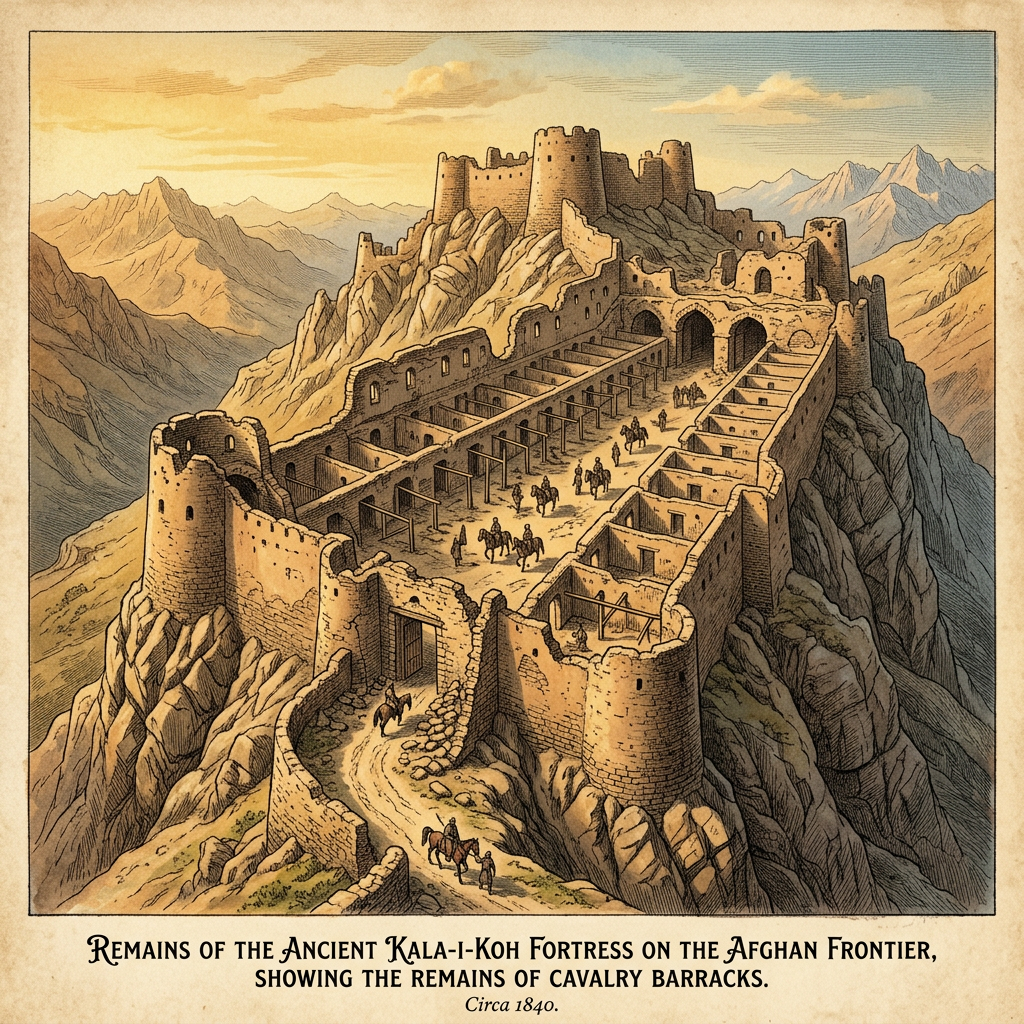
A team of Iranian and international archaeologists has identified a sprawling Parthian-era frontier fortress in the remote mountains of Khorasan. Mapped using ground-penetrating radar and surface survey, the site features a massive multi-level defensive wall and a series of specialized cavalry barracks designed to house hundreds of horse-mounted archers. This outpost is believed to have been a critical node in the Parthian 'Eastern Defense Line,' protecting the Silk Road trade routes from nomadic incursions.
The excavation of the central keep revealed a cache of iron scale armor and unique 'whistling' arrowheads used for signaling on the battlefield. The architectural layout shows a sophisticated understanding of mountain logistics, including a hidden cistern system that could sustain the garrison for months. This find significantly expands our knowledge of the Parthian Empire’s military architecture and its ability to maintain control over its vast and rugged eastern territories during the 1st century BCE.