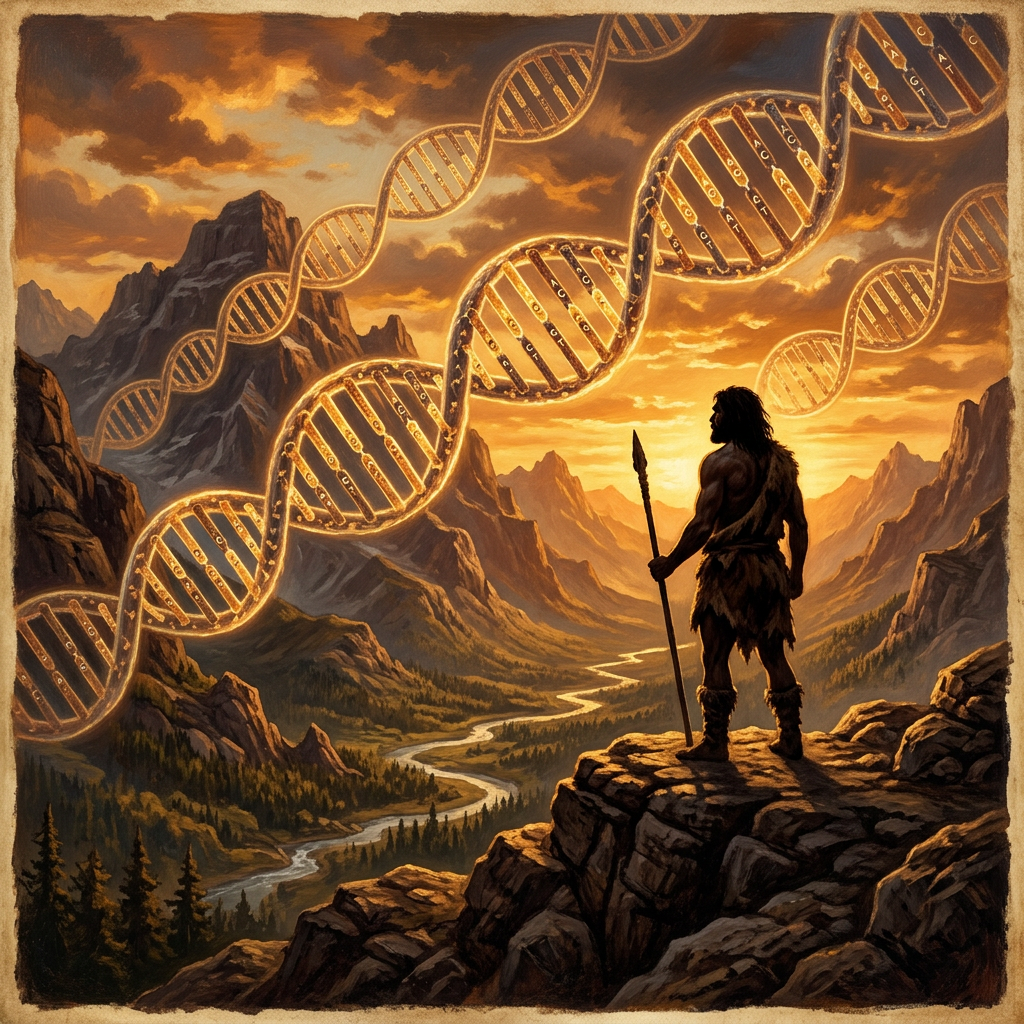
A large-scale paleogenomic analysis of skeletal remains discovered in the Blue Ridge Mountains has identified a distinct human lineage that inhabited the Appalachian corridor during the Late Pleistocene. This "ghost" population, which diverged from other Paleo-Indian groups approximately 16,000 years ago, suggests that the colonization of North America was far more genetically complex than previously mapped.
The findings, published in the journal Genomic Review, provide evidence of specialized genetic markers linked to high-latitude forest survival and unique metabolic adaptations. This study reshapes our understanding of early human migration pulses, suggesting that isolated pockets of diversity thrived in mountainous refugia during the last glacial retreat.