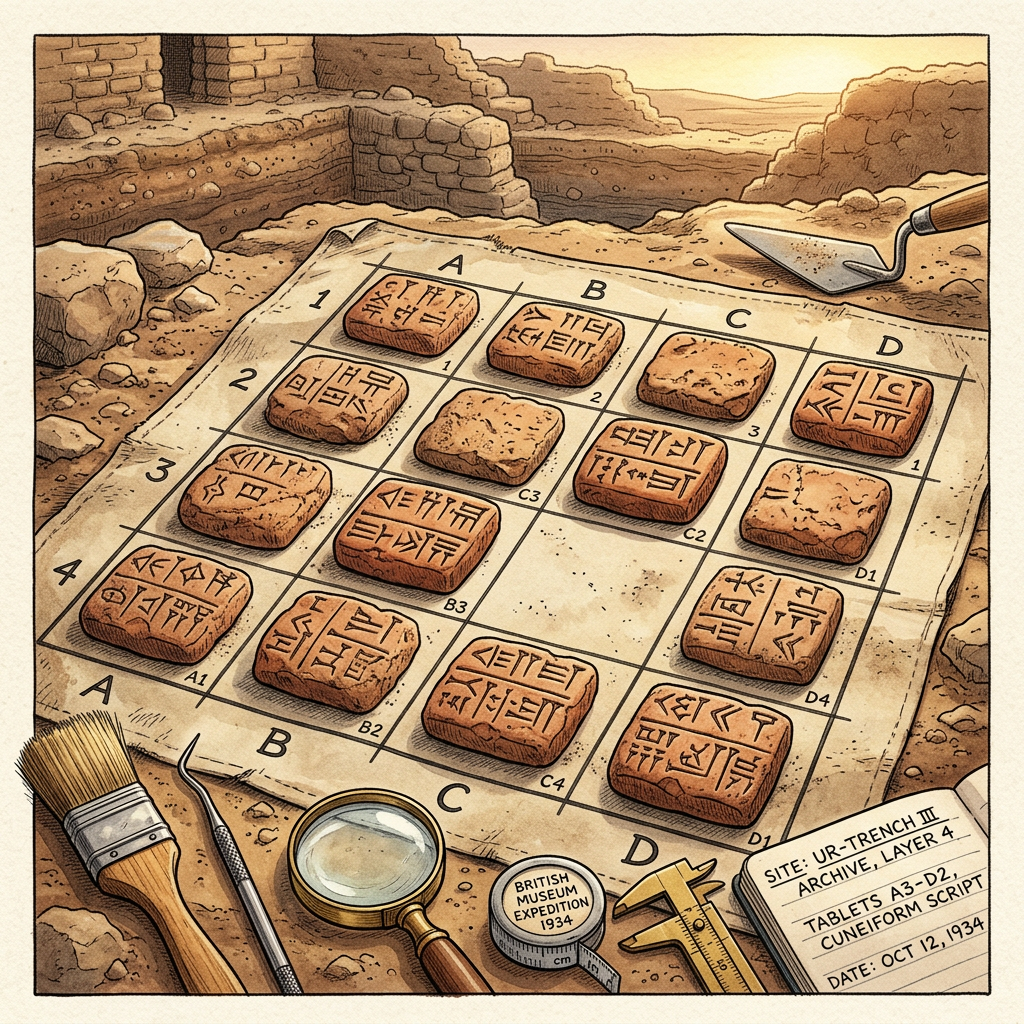
Excavations at a Late-Vedic site along the Narmada River have yielded a cache of inscribed clay tablets that focus on the philosophy of 'Sankalpa' or intentionality. The tablets, dating back to approximately 500 BCE, contain a series of aphorisms regarding the ethical weight of internal resolve. According to the text, an action's moral value is determined not by its physical outcome but by the purity of the initial mental 'resolve' that set the action in motion, a precursor to the more developed theories of Karma found in later literature.
This discovery provides physical evidence for the transition between the ritualistic focus of the early Vedas and the psychological focus of the Upanishads. The tablets describe the 'disciplining of resolve' as the highest form of sacrifice, where the internal mind replaces the external ritual fire. This philosophical shift highlights a burgeoning 'interiority' in early Indian thought that would eventually give rise to the Yoga and Samkhya schools of philosophy.