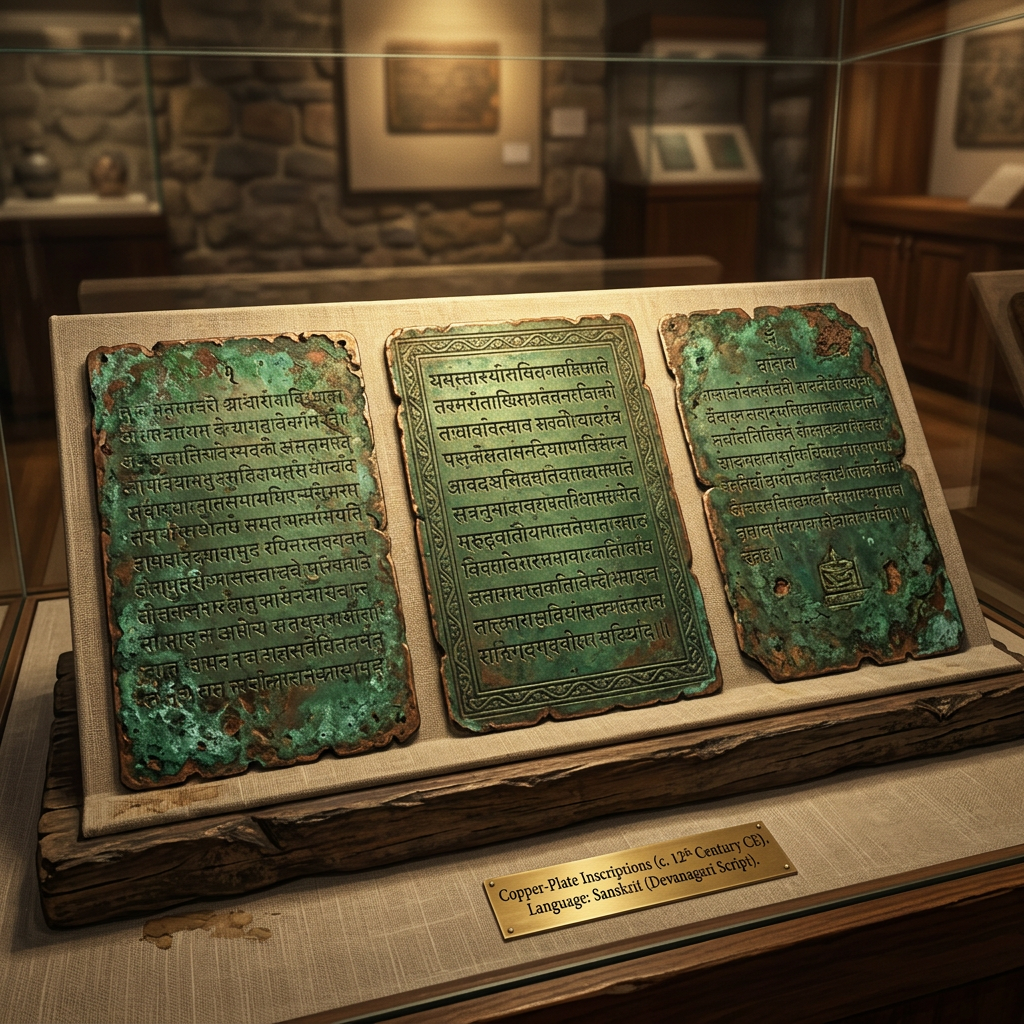
In a significant archaeological breakthrough, copper plates from the Gupta Era have been unearthed in the Vidarbha region of Maharashtra. The inscriptions describe a lost philosophical system known as Prana-Gati, which explores the relationship between "the flow of vital energy" and the cultivation of ethical character. Unlike later tantric texts, these plates focus on the moral dimension of breath, suggesting that a balanced flow is essential for maintaining social and cosmic order.
The discovery provides a unique glimpse into the 4th-Century intellectual landscape, where physical well-being and metaphysical integrity were viewed as inseparable. The plates also list "ten ethical postures" designed to harmonize the internal Prana with the external Dharma of the community.