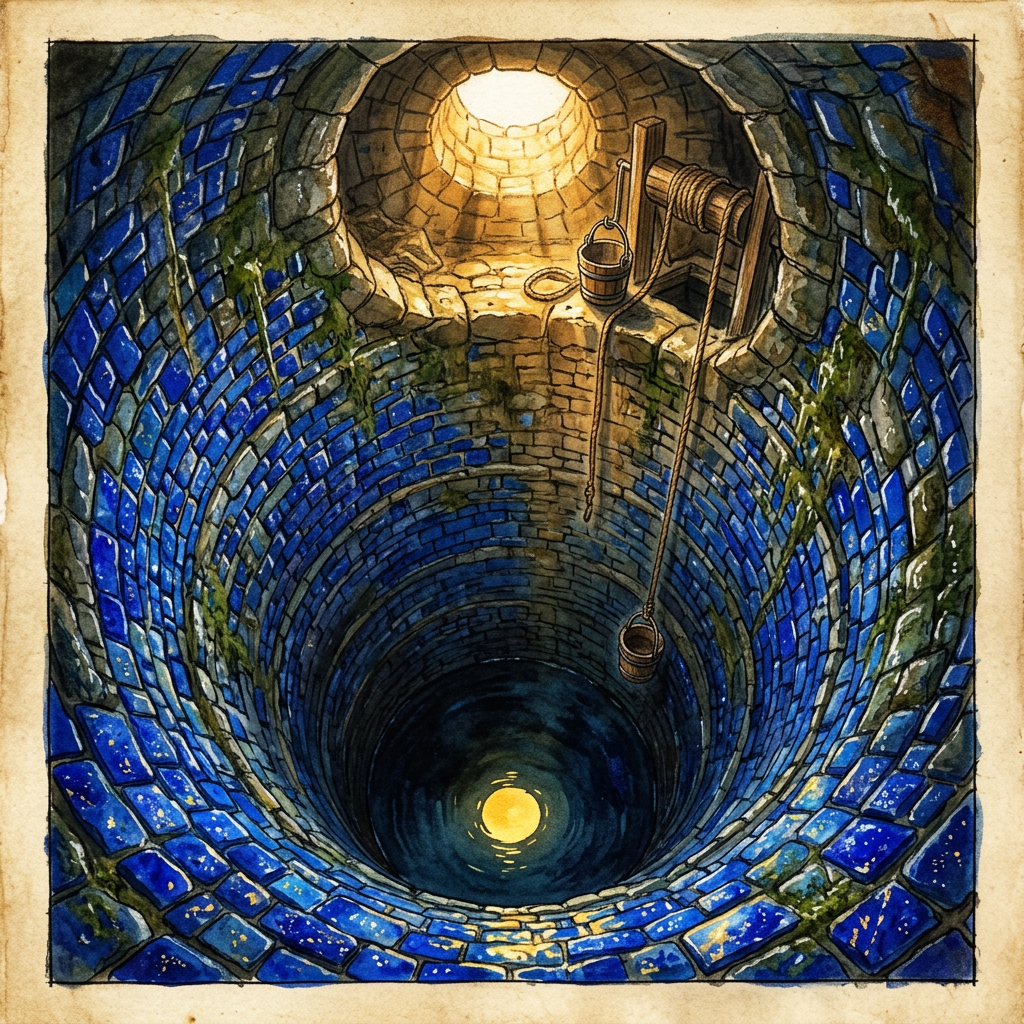
Excavations near the ancient city of Nineveh have brought to light three subterranean wells lined with polished lapis lazuli blocks. Dating to the Middle Assyrian period, these structures were not used for daily water consumption but functioned as ceremonial basins for a forgotten spring festival dedicated to the deity Ea.
Analysis of the sediment at the bottom of the wells revealed high concentrations of aromatic resins and flower pollen, suggesting that during the festival, the water was perfumed and used for communal purification rites. The use of rare lapis lazuli, imported from thousands of miles away, underscores the extreme religious importance of these spring-time water ceremonies.