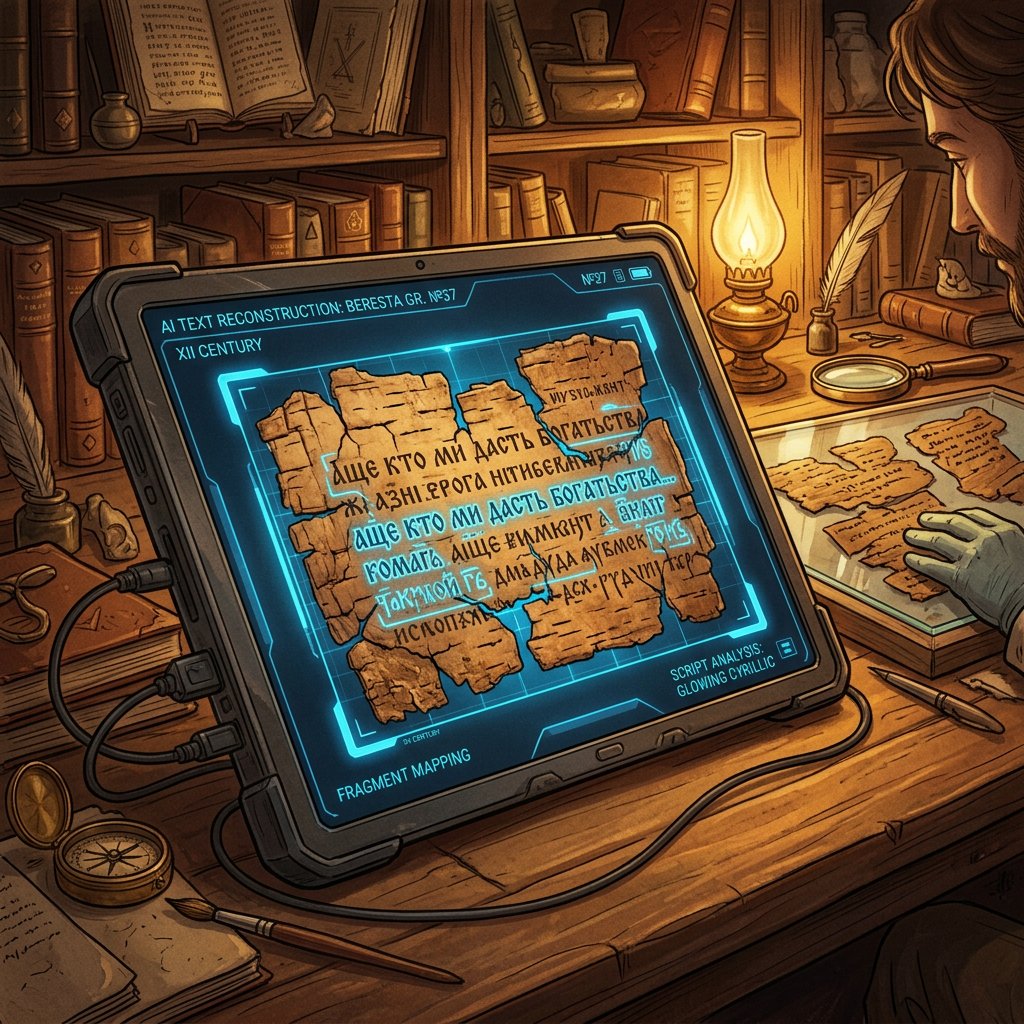
Using advanced multispectral imaging and AI-driven linguistic models, researchers at Mathura Museum have reconstructed a fragmented 11th-century manuscript titled Yukti-Vatika. The text is a specialized treatise on Arthapatti (postulation) and Anumana (inference), specifically dealing with how logical conclusions are drawn from indirect or circumstantial evidence. The AI analysis helped fill gaps in the damaged birch bark, revealing a series of complex logical syllogisms that predate several known developments in the Navya-Nyaya school.
This discovery highlights the intellectual vibrancy of Mathura as a center for logical inquiry during the medieval period. The Yukti-Vatika explores the limits of human reasoning when faced with contradictions, proposing a "tripartite verification" system to ensure the accuracy of indirect deductions. This text is expected to provide new insights into the history of Indian formal logic and its applications in judicial and scientific reasoning.