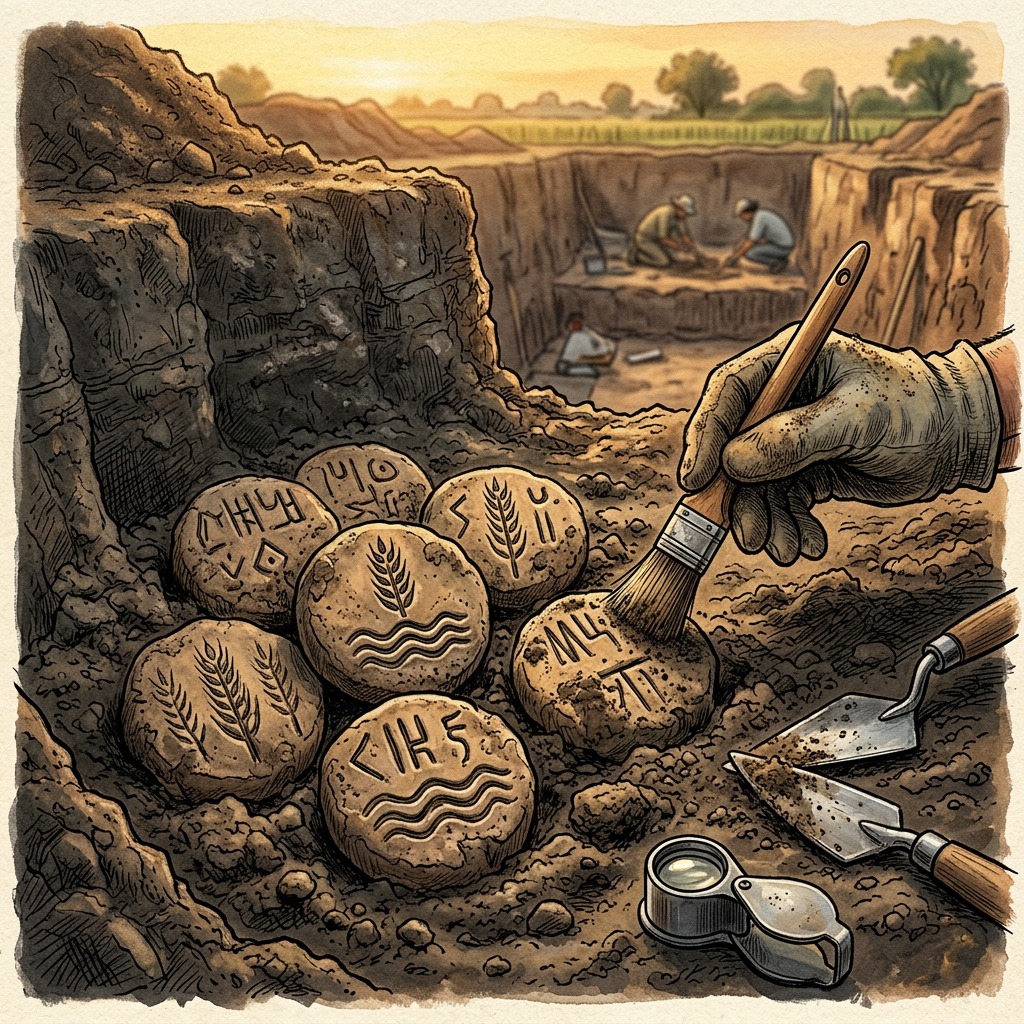
Excavations in the Ghaggar-Hakra basin of Haryana have yielded a collection of clay tablets from the 6th century BCE that outline Ahara-Niti, or the philosophy of ethical diet. The inscriptions suggest that early Vedic communities held a profound philosophical belief in the "energetic footprint" of food. The text posits that the purity of one's thoughts is inextricably linked to the Dharma of how their sustenance was acquired and prepared, emphasizing non-violence and ecological balance.
Researchers state that these tablets represent one of the earliest recorded links between metaphysics and dietetics in the ancient world. The Ahara-Niti scrolls detail a hierarchy of consumption where "gifts of the earth" are categorized by their impact on the Prana (vital energy) of the consumer. This discovery suggests that dietary restrictions in ancient India were rooted in a complex philosophical understanding of the interconnectedness of all living systems.