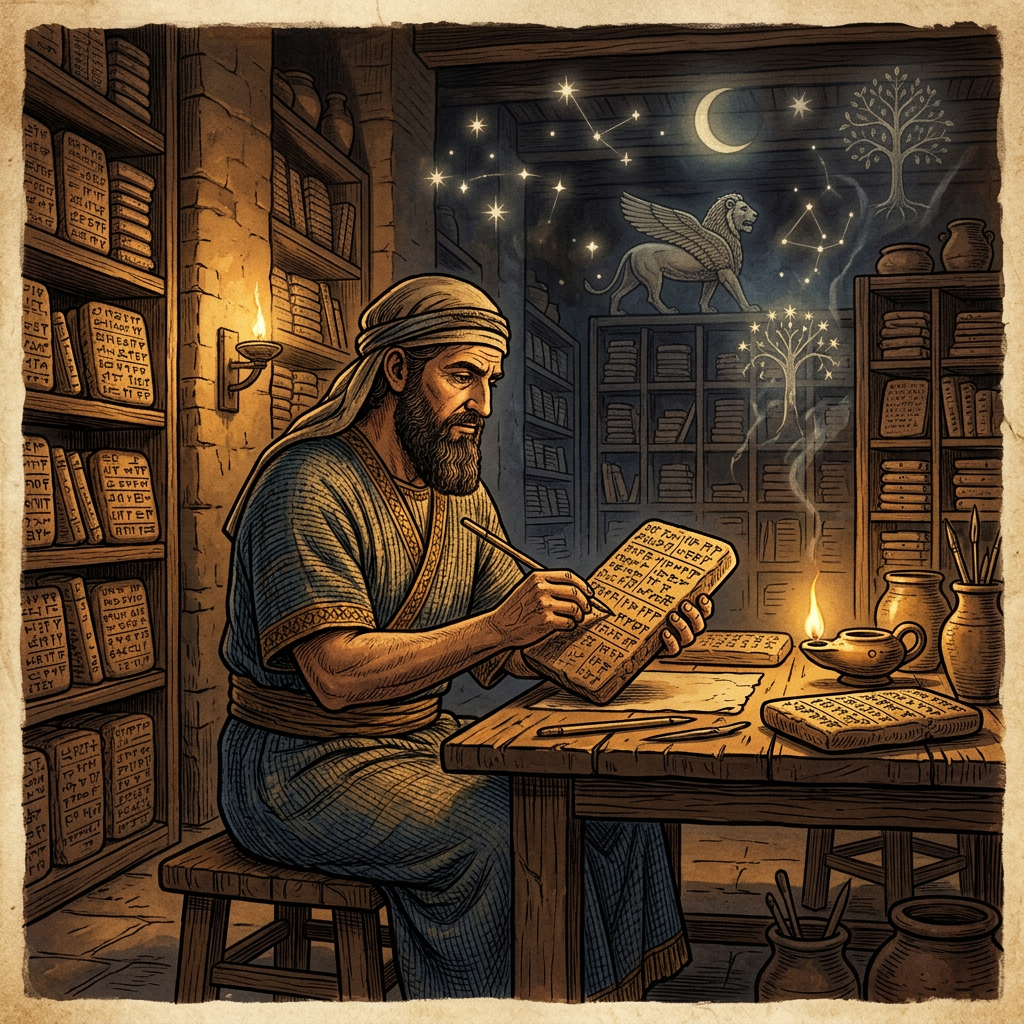
Excavations at the ancient city of Ur in southern Iraq have unearthed a remarkable cuneiform archive dedicated to the practice of oneiromancy. The tablets, dating to the Neo-Sumerian period (c. 2100 BCE), detail the specialized guild of 'Royal Dream-Interpreters' who served the imperial court, providing systematic keys to deciphering the symbolic visions of kings.
The findings include detailed manuals that categorize dreams by celestial alignment and the dreamer's physiological state. This discovery offers unprecedented insight into the intersection of psychology, religion, and ancient statecraft, revealing how political decisions were often influenced by the formalized interpretation of the subconscious.