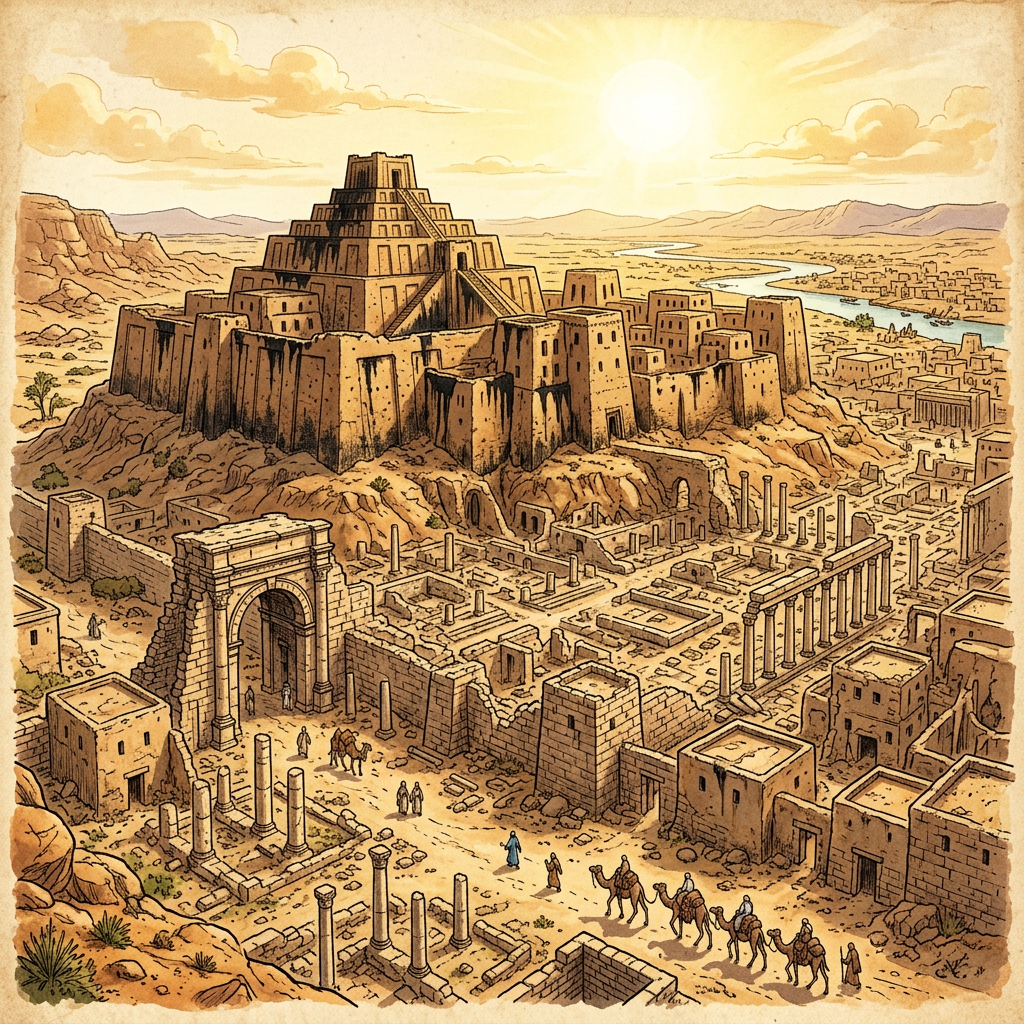
Excavations in the ancient city of Susa, Iran, have revealed a unique architectural feature: "scented brick" altars within a ceremonial plaza. These bricks were found to be infused with a mixture of bitumen, frankincense, and floral resins, which were designed to release aromatic smoke when heated by the sun or ritual fires during the Elamite New Year celebrations.
The discovery provides a rare look at the sensory experience of ancient Mesopotamian festivals. These altars were strategically placed to ensure the scent covered the entire processional route, creating a "sacred atmosphere" for the thousands of pilgrims attending the rites. Researchers believe this practice is a direct precursor to the later Persian Zagmuk festival, which celebrated the rebirth of the world each spring.