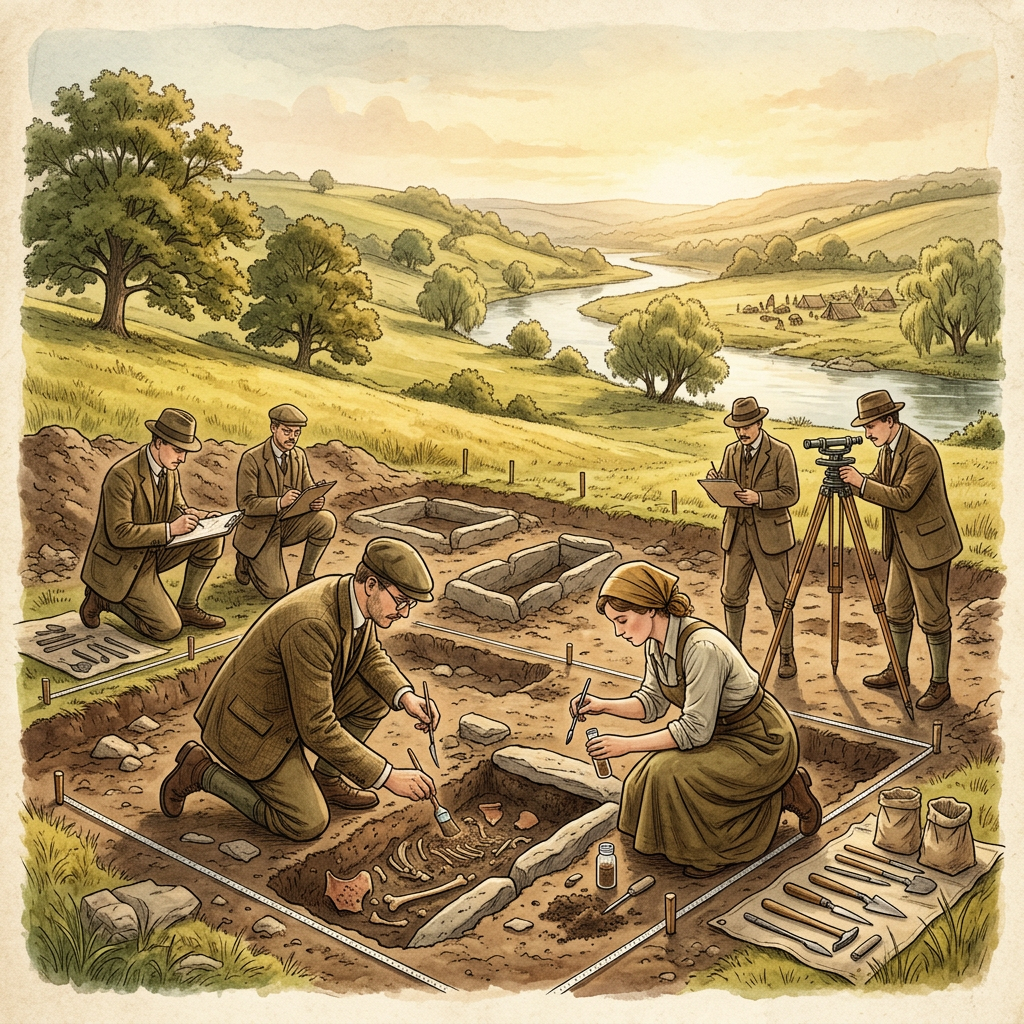
A breakthrough paleogenomic study published in Nature Communications has analyzed the genomes of fourteen individuals from 6,500-year-old burial sites in Ethiopia's Omo Valley. The research, led by an international consortium of geneticists, identifies a unique and previously unknown genetic divergence among early Holocene foragers in East Africa. The study highlights specific chromosomal adaptations that provided these populations with heightened resilience to endemic hemorrhagic pathogens, suggesting a long-term evolutionary battle with regional viral threats.
The findings indicate that these ancestral groups maintained a high degree of genetic isolation despite the expansion of neighboring pastoralist communities. This isolation likely served as a protective mechanism, preserving specific alleles that assisted in surviving the unique ecological pressures of the southern Ethiopian highlands. This research provides a new window into how early human populations in Africa adapted to complex disease landscapes long before the onset of modern medicine.