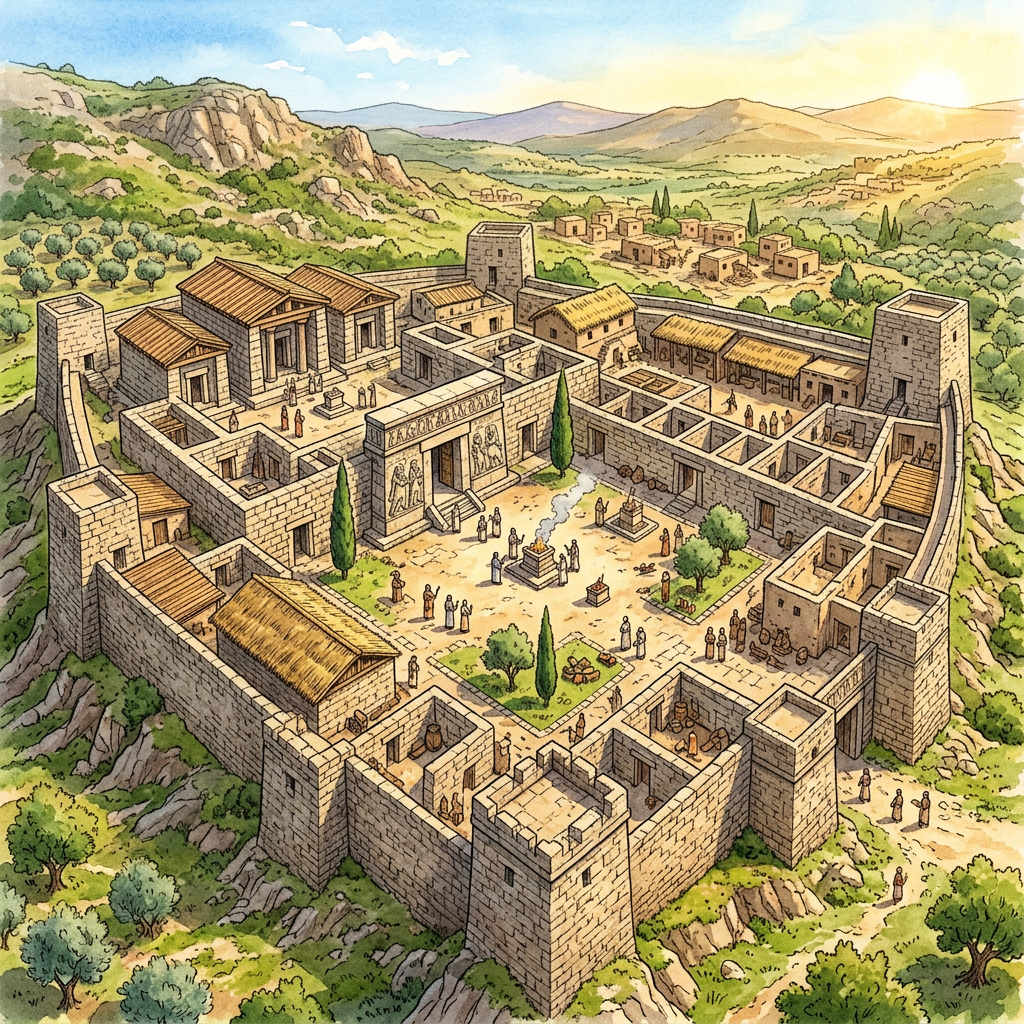
A joint international excavation team in Çorum, Turkey, has identified a monumental stone complex specifically designed for the AN.TAH.ŠUM, or the 'Festival of the Crocus.' The site includes specialized chambers for the storage of floral offerings and a massive central courtyard with drainage channels likely used for ritual libations of wine and oil during the thirty-eight-day spring festival.
Research suggests that this sanctuary served as a primary stop for the Hittite king and his entourage during their annual ritual circuit. The discovery of inscribed tablets detailing the distribution of festal rations—including barley, honey, and sacrificial meat—offers new insights into the immense administrative and economic effort required to sustain the Bronze Age empire's most significant religious celebration.